Beyond Location: What Tenants and Buyers Expect in 2026
Beyond Location: What Tenants and Buyers Expect in 2026
Beyond Location: What Tenants and Buyers Expect in 2026
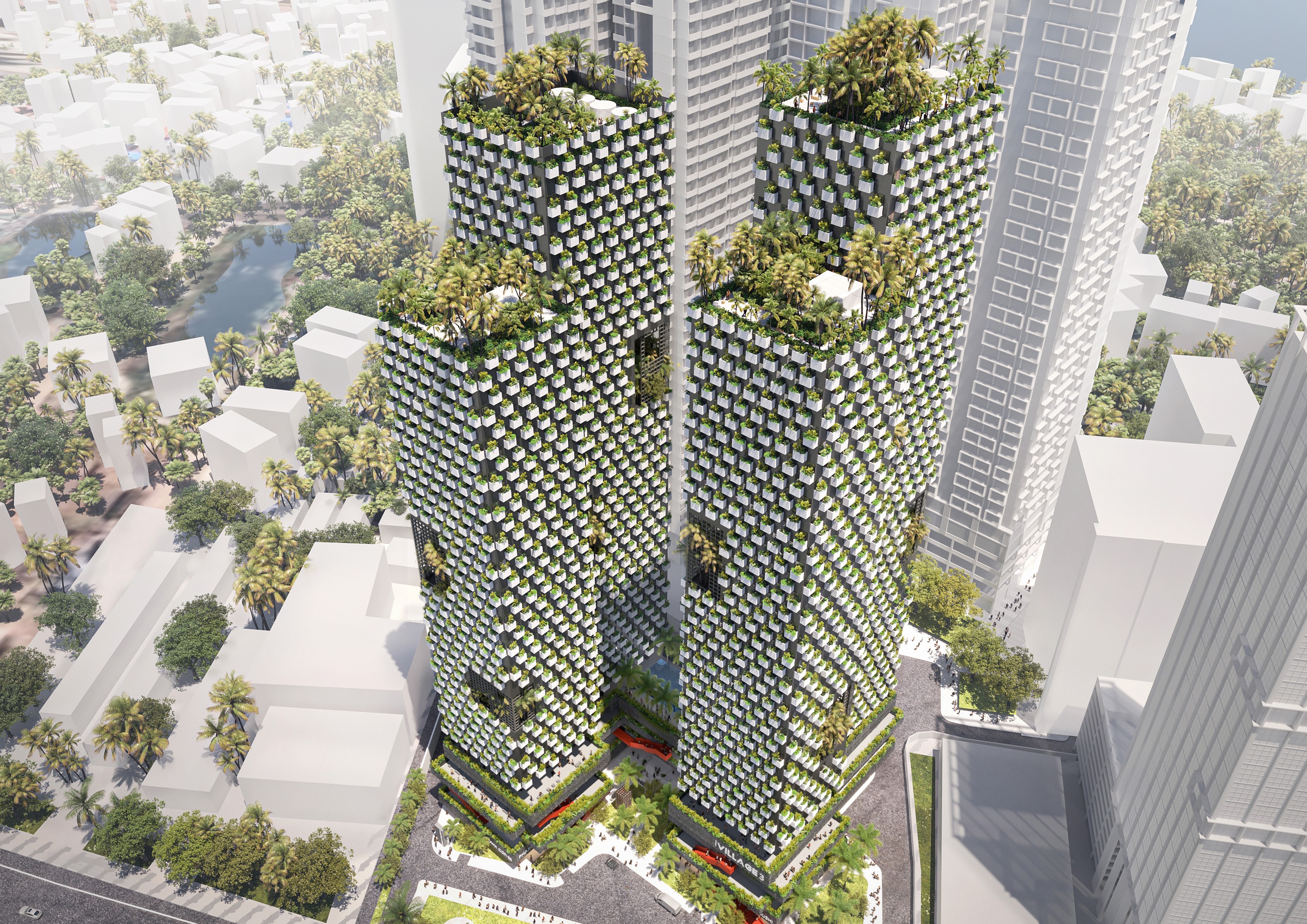
Phnom Penh Commons by The Room Architecture and Design.
2026 is about proof, not promises
By 2026, tenants and buyers in Phnom Penh, Siem Reap and the coast have seen enough new projects to recognise what actually works. They no longer respond to long lists of features or vague positioning. They want clarity on pricing, operating costs and process. In many projects, even in 2026, clarity on pricing and process remains inconsistent. Buyers still struggle to understand how Gross Floor Area is calculated, what is included in the saleable area and how these measurements translate into the actual usable space they will occupy. As expectations rise, developers who communicate transparently and deliver performance that matches the brief are the ones who earn long-term trust.
If you are shaping a project for 2026 and want to align it with these expectations, speak with The Room to ensure your design, pricing and positioning meet the market’s new standards.
Amenities that fit into daily life
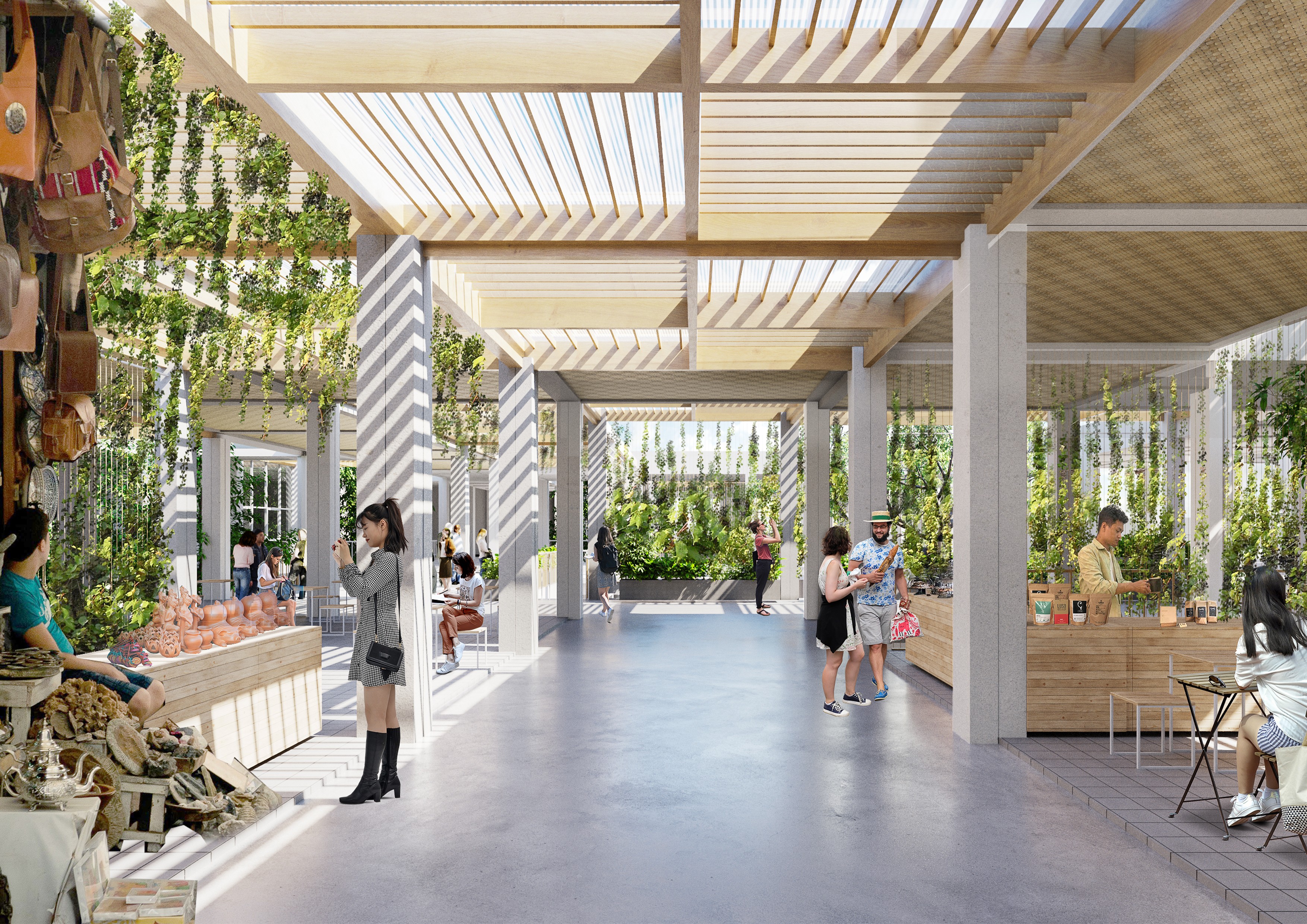
Dak Dam Market by The Room Architecture and Design.
Amenities only succeed when they support real routines rather than appearing as marketing features. A single flexible space that works for quiet mornings, active evenings and family weekends is more valuable than a collection of specialised rooms that sit empty. This is becoming more visible in the market as buildings with strong fundamentals outperform those designed around decorative amenity lists.
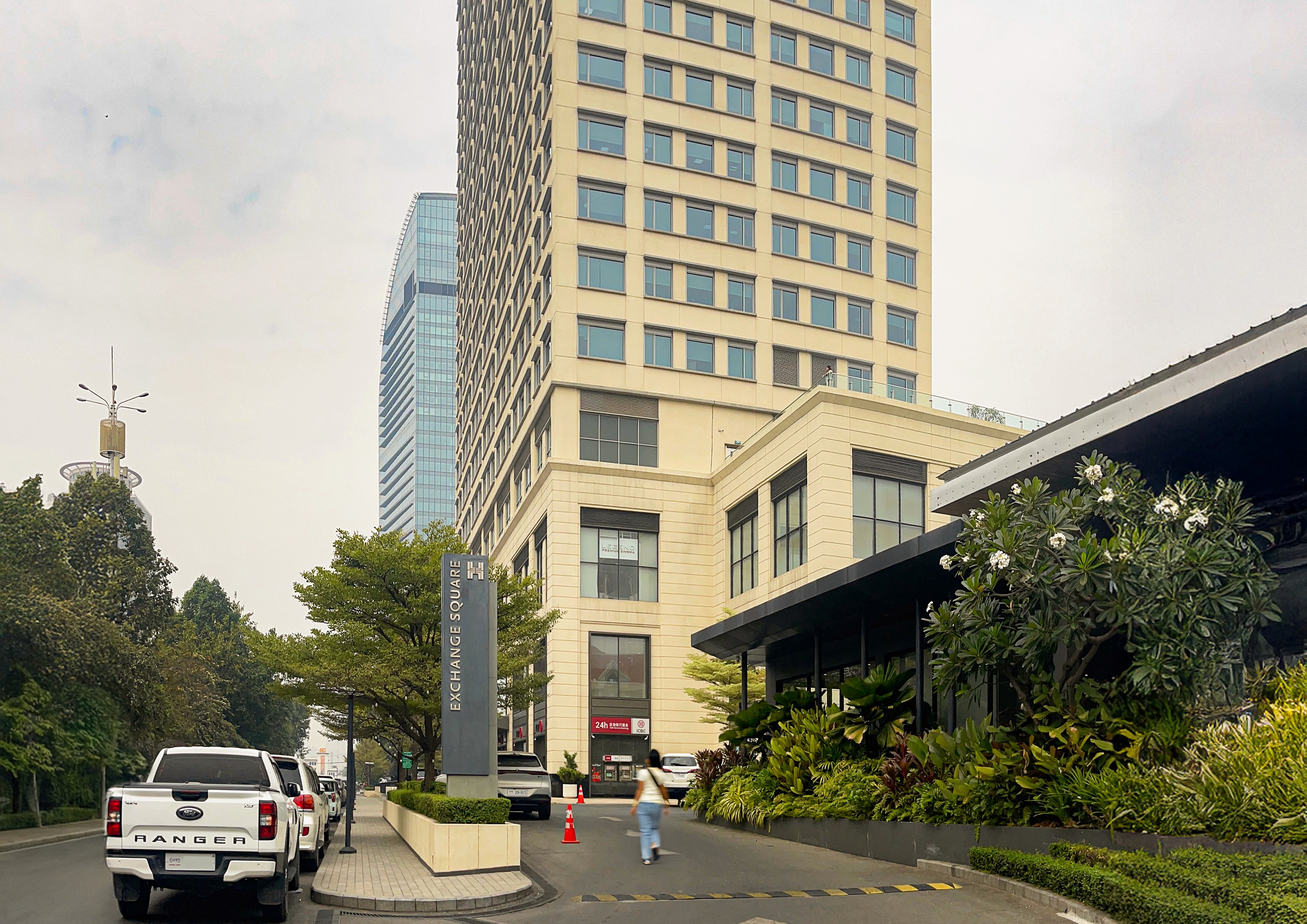
Exchange Square, Phnom Penh.
In Phnom Penh, buildings like Exchange Square show how practical design and steady building management keep shared spaces relevant long after opening. Clear circulation, well-maintained common areas and amenities that support everyday activity make the building easy for people to use, which is why it remains consistently active and well regarded.
Buyers and tenants are also paying closer attention to essentials such as:
Fire protection systems that are consistent and well-managed
Competent maintenance and administration teams
Appropriate lift numbers and types for peak flows
Proper unit ventilation, especially in high-rise residential where natural airflow is limited
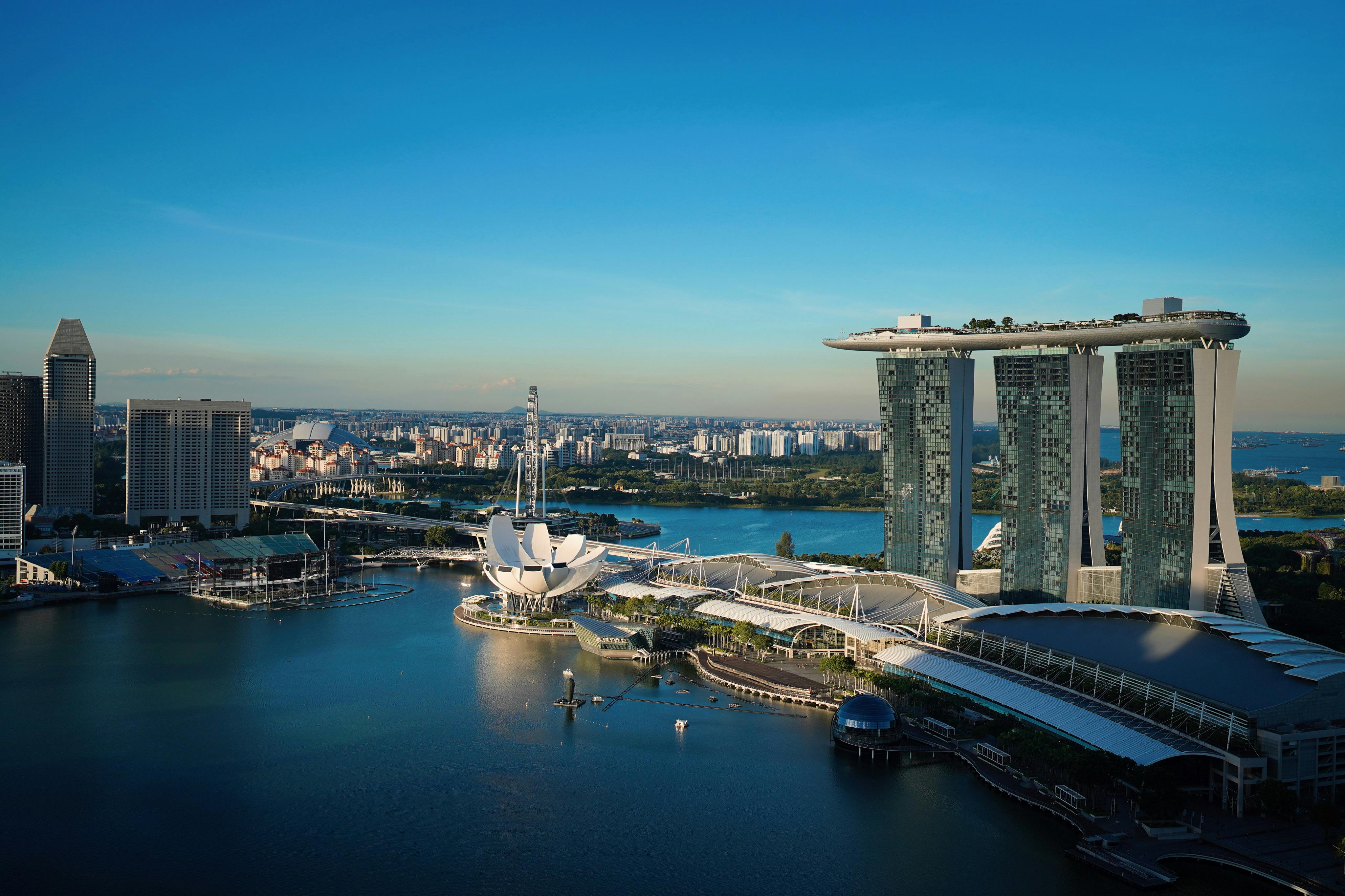
Aerial view of the city of Singapore. Photo by Song Kaiyue via Pexels.
These elements determine how people experience a building far more than any amenity catalogue. In fact, similar expectations are already standard in regional benchmarks such as The Sail at Marina Bay in Singapore, where strong fire safety systems, well-managed operations, zoned lift planning and ventilation that suits a tropical climate underpin the daily comfort of residents.
Projects that want to stand out in 2026 benefit from a clear review of the fundamentals. We can help assess whether your amenity strategy and building essentials match the way people actually live and use spaces today.
Design quality shows in the details that matter
When the fundamentals are weak, the cracks show quickly and often at the worst possible moments. A tower that relies on a single car elevator, for instance, can see queues stretching out of the parking levels the moment that lift goes offline, disrupting morning routines and creating frustration that lasts long after the repair. In upper-floor residences without proper mechanical ventilation, moisture builds quietly behind finishes until the first signs of fungi appear around wet areas, often only a few months after handover. In buildings where lift lobbies are undersized or circulation paths intersect at peak times, bottlenecks recur every morning. Once these patterns become part of daily life, they quickly define a building’s reputation, often in ways no marketing storyline can correct.
Sustainability is now a comfort and cost expectation
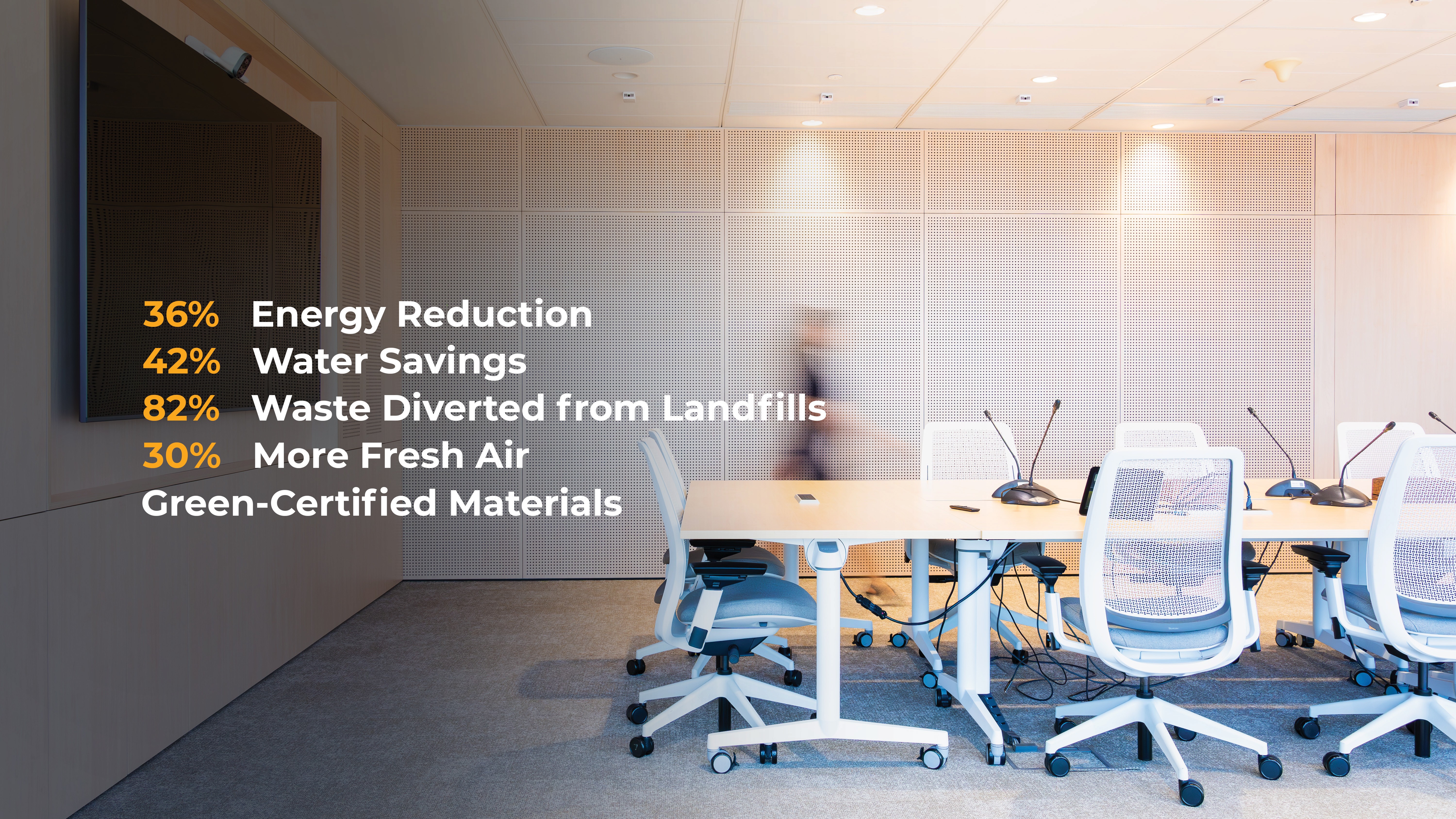
The first LEED Gold Certified Office Interior in Cambodia, our Multilateral Bank Office project achieved a 36% energy reduction and 82% waste diversion. Find out more here.
Sustainability has moved from branding to expectation. People pay attention to whether a building stays comfortable in the hottest months, whether indoor air feels clean and whether energy and water costs remain steady month to month. Certifications like LEED and WELL matter only when they reflect measurable performance, not marketing language.
LEED-certified interiors in Phnom Penh already demonstrate clear, measurable advantages:
Consistent indoor air quality supported by monitored filtration and fresh-air delivery
Reliable water supply that reduces operational risk
Natural light control through dimmable lighting, shading and daylight sensors
Acoustic comfort appropriate for both focused and collaborative work
Efficient MEP systems that help stabilise long-term running costs
These outcomes matter because they translate directly into everyday comfort and consistent bills. Our Multilateral Bank Office, Cambodia’s first LEED Gold interior, shows how measurable performance translates directly into clearer business advantages and a more comfortable, reliable experience for users.
If you are exploring how to translate sustainability into measurable comfort and predictable operating costs, we can walk you through the approaches that work best in Cambodia.
Technology that just works
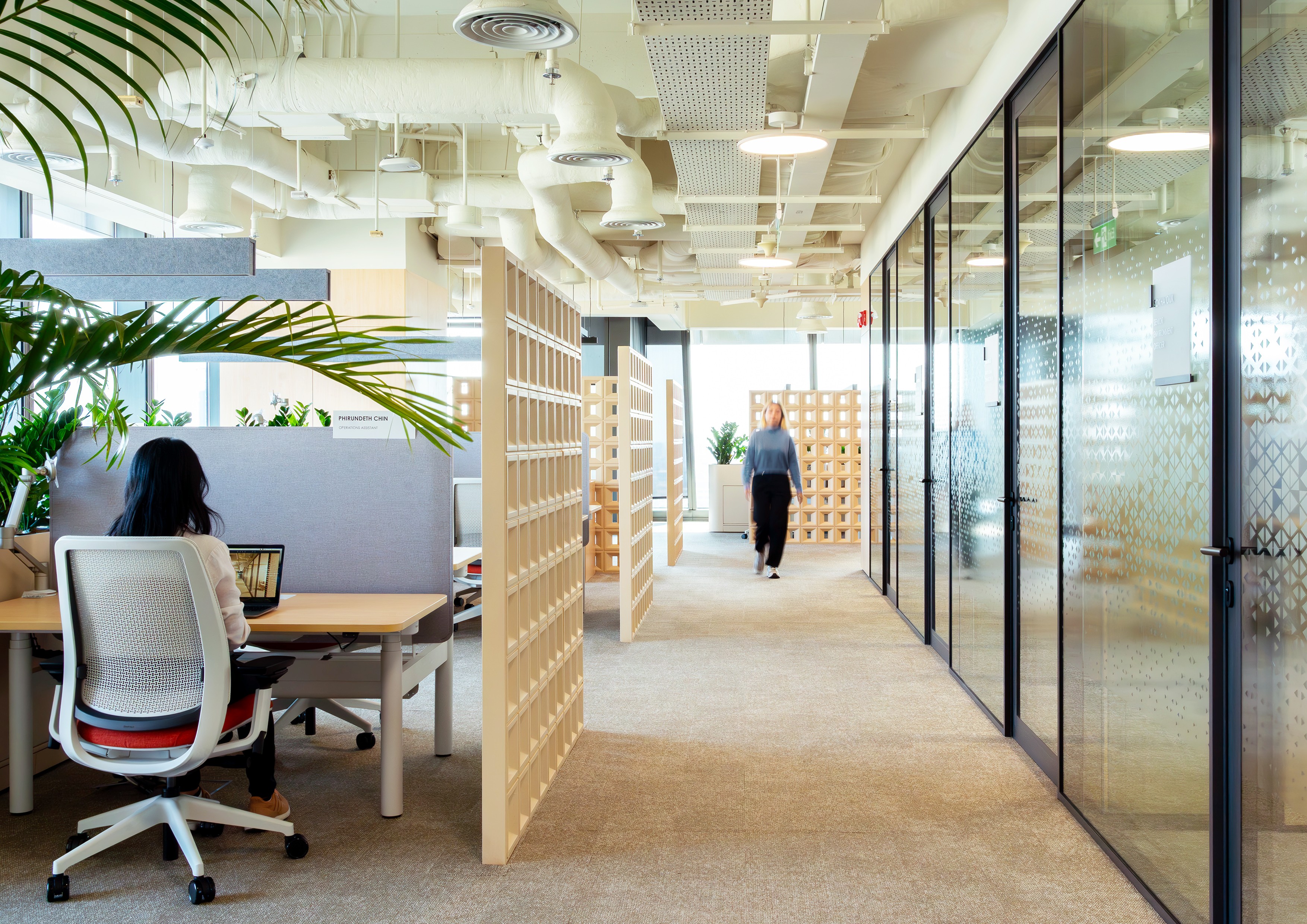
Multilateral Bank Office in Phnom Penh, featuring integrated MEP systems designed for easy maintenance and 30% more fresh air. Find out more here.
Technology only matters when it supports daily use without drawing attention to itself. Residents expect access and metering systems that simply function. Commercial tenants expect building systems that integrate smoothly with their own.
For administrators, the real value of technology shows up in how easily systems can be monitored, maintained and kept safe. Well-designed buildings provide operations teams with a strong foundation by positioning systems where they can be accessed quickly, grouping controls logically and avoiding unnecessary complexity that adds risk.
Well-designed buildings support this by giving operations teams a strong and safe foundation:
Systems positioned for easy maintenance
Clear access to controls and shutoffs
Straightforward infrastructure that local teams can manage
Logical sequencing that avoids unnecessary complexity
When these decisions are made early, building operations run smoothly.
Cultural authenticity that supports experience
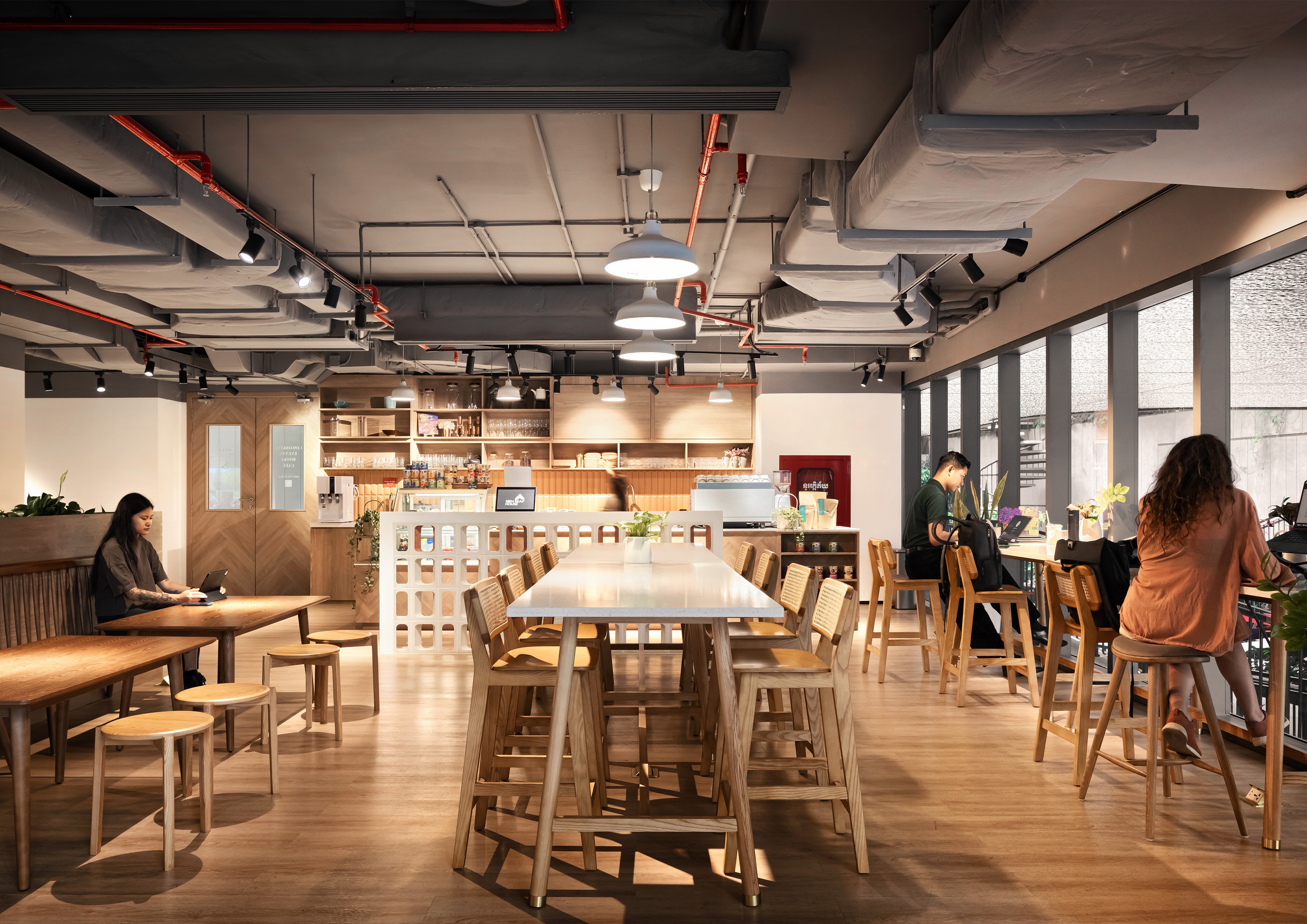
Siem Reap House: Using terracotta and earth tones to create the cultural authenticity and spatial cues that anchor a sense of belonging within the Rose Apple Square community. Find out more here.
Cultural authenticity is most effective when it enhances everyday use rather than acting as decoration. Patterns, textures and spatial cues drawn from Cambodian traditions can guide movement, soften transitions between public and private spaces and create a sense of belonging. When these elements are applied with intention, they help people feel connected to the place and to each other. Neighbours are more likely to interact, shared spaces feel more natural and children grow up with familiar cues that support early social connections. Handled well, cultural authenticity strengthens both experience and identity, and gives a project the emotional relevance that keeps people connected to it over time.
What developers should focus on in 2026
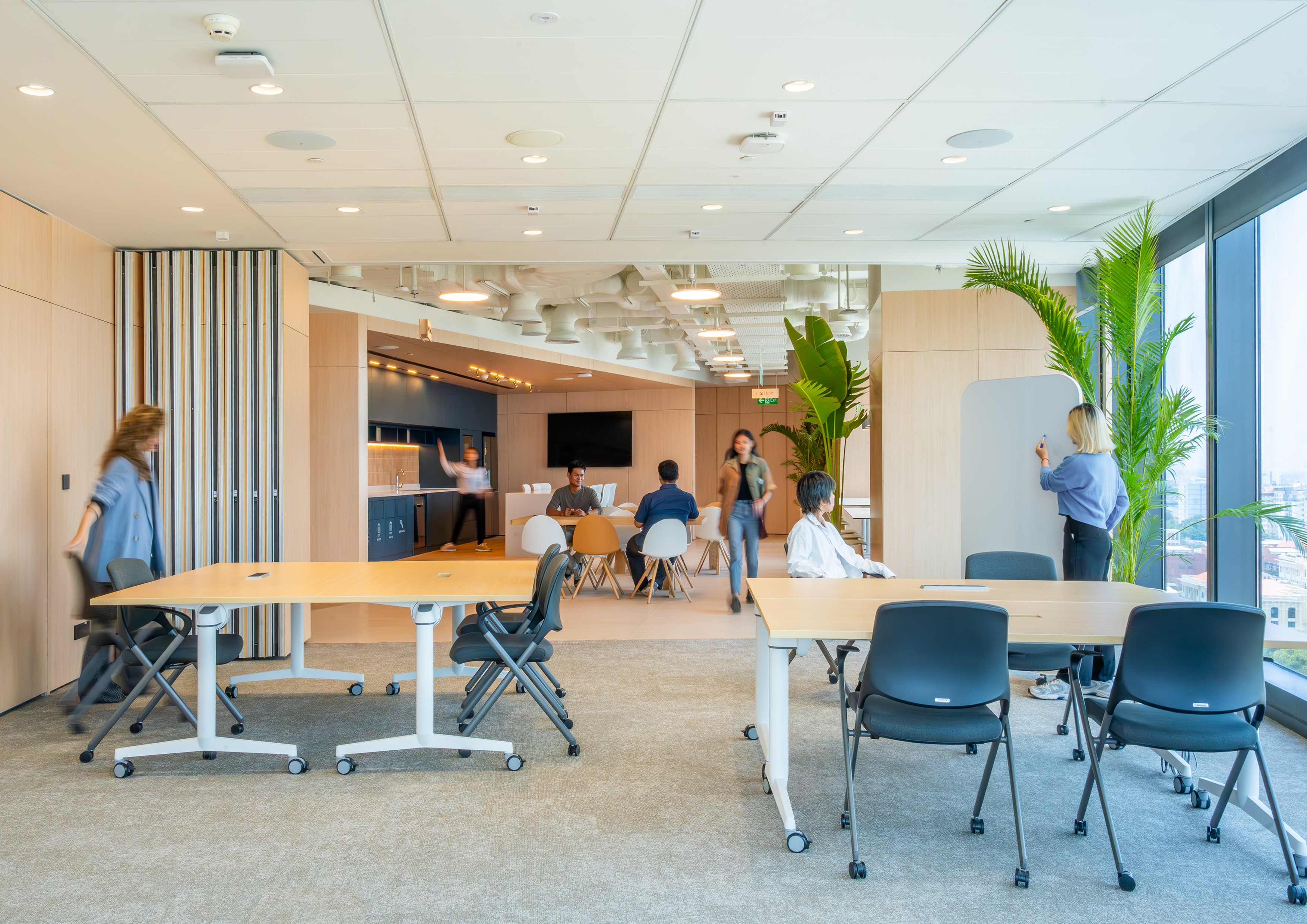
Multilateral Bank Office: Designed to prioritize operational reliability and stable running costs. Find out more here.
The projects that succeed this year will do a few things well. They will:
Create shared spaces that people use every day, not amenities that sit empty
Protect a building’s busiest moments through thoughtful circulation, lift strategy and ventilation
Make comfort and operating costs clear and predictable from move-in onward
Select technology that local teams can maintain confidently
Use cultural elements in ways that support comfort, orientation and community
Success in 2026 will come from buildings that work well for the people who use them every day. They reduce friction in routines, keep operating demands manageable and make comfort and costs easy to understand from the moment people move in. Assets designed this way retain tenants, stabilise running costs and stay competitive as expectations rise.
These are the projects that stand out in a market that increasingly recognises the difference between a place that looks good at launch and one that continues to work well over time, even as supply expands.
To explore how your next project can meet 2026 expectations with clarity and confidence, connect with our team to discuss strategies that support long-term performance and user satisfaction.
2026 is about proof, not promises
By 2026, tenants and buyers in Phnom Penh, Siem Reap and the coast have seen enough new projects to recognise what actually works. They no longer respond to long lists of features or vague positioning. They want clarity on pricing, operating costs and process. In many projects, even in 2026, clarity on pricing and process remains inconsistent. Buyers still struggle to understand how Gross Floor Area is calculated, what is included in the saleable area and how these measurements translate into the actual usable space they will occupy. As expectations rise, developers who communicate transparently and deliver performance that matches the brief are the ones who earn long-term trust.
If you are shaping a project for 2026 and want to align it with these expectations, speak with The Room to ensure your design, pricing and positioning meet the market’s new standards.
Amenities that fit into daily life
Dak Dam Market by The Room Architecture and Design.
Amenities only succeed when they support real routines rather than appearing as marketing features. A single flexible space that works for quiet mornings, active evenings and family weekends is more valuable than a collection of specialised rooms that sit empty. This is becoming more visible in the market as buildings with strong fundamentals outperform those designed around decorative amenity lists.
Exchange Square, Phnom Penh.
In Phnom Penh, buildings like Exchange Square show how practical design and steady building management keep shared spaces relevant long after opening. Clear circulation, well-maintained common areas and amenities that support everyday activity make the building easy for people to use, which is why it remains consistently active and well regarded.
Buyers and tenants are also paying closer attention to essentials such as:
Fire protection systems that are consistent and well-managed
Competent maintenance and administration teams
Appropriate lift numbers and types for peak flows
Proper unit ventilation, especially in high-rise residential where natural airflow is limited
Aerial view of the city of Singapore. Photo by Song Kaiyue via Pexels.
These elements determine how people experience a building far more than any amenity catalogue. In fact, similar expectations are already standard in regional benchmarks such as The Sail at Marina Bay in Singapore, where strong fire safety systems, well-managed operations, zoned lift planning and ventilation that suits a tropical climate underpin the daily comfort of residents.
Projects that want to stand out in 2026 benefit from a clear review of the fundamentals. We can help assess whether your amenity strategy and building essentials match the way people actually live and use spaces today.
Design quality shows in the details that matter
When the fundamentals are weak, the cracks show quickly and often at the worst possible moments. A tower that relies on a single car elevator, for instance, can see queues stretching out of the parking levels the moment that lift goes offline, disrupting morning routines and creating frustration that lasts long after the repair. In upper-floor residences without proper mechanical ventilation, moisture builds quietly behind finishes until the first signs of fungi appear around wet areas, often only a few months after handover. In buildings where lift lobbies are undersized or circulation paths intersect at peak times, bottlenecks recur every morning. Once these patterns become part of daily life, they quickly define a building’s reputation, often in ways no marketing storyline can correct.
Sustainability is now a comfort and cost expectation
The first LEED Gold Certified Office Interior in Cambodia, our Multilateral Bank Office project achieved a 36% energy reduction and 82% waste diversion. Find out more here.
Sustainability has moved from branding to expectation. People pay attention to whether a building stays comfortable in the hottest months, whether indoor air feels clean and whether energy and water costs remain steady month to month. Certifications like LEED and WELL matter only when they reflect measurable performance, not marketing language.
LEED-certified interiors in Phnom Penh already demonstrate clear, measurable advantages:
Consistent indoor air quality supported by monitored filtration and fresh-air delivery
Reliable water supply that reduces operational risk
Natural light control through dimmable lighting, shading and daylight sensors
Acoustic comfort appropriate for both focused and collaborative work
Efficient MEP systems that help stabilise long-term running costs
These outcomes matter because they translate directly into everyday comfort and consistent bills. Our Multilateral Bank Office, Cambodia’s first LEED Gold interior, shows how measurable performance translates directly into clearer business advantages and a more comfortable, reliable experience for users.
If you are exploring how to translate sustainability into measurable comfort and predictable operating costs, we can walk you through the approaches that work best in Cambodia.
Technology that just works
Multilateral Bank Office in Phnom Penh, featuring integrated MEP systems designed for easy maintenance and 30% more fresh air. Find out more here.
Technology only matters when it supports daily use without drawing attention to itself. Residents expect access and metering systems that simply function. Commercial tenants expect building systems that integrate smoothly with their own.
For administrators, the real value of technology shows up in how easily systems can be monitored, maintained and kept safe. Well-designed buildings provide operations teams with a strong foundation by positioning systems where they can be accessed quickly, grouping controls logically and avoiding unnecessary complexity that adds risk.
Well-designed buildings support this by giving operations teams a strong and safe foundation:
Systems positioned for easy maintenance
Clear access to controls and shutoffs
Straightforward infrastructure that local teams can manage
Logical sequencing that avoids unnecessary complexity
When these decisions are made early, building operations run smoothly.
Cultural authenticity that supports experience
Siem Reap House: Using terracotta and earth tones to create the cultural authenticity and spatial cues that anchor a sense of belonging within the Rose Apple Square community. Find out more here.
Cultural authenticity is most effective when it enhances everyday use rather than acting as decoration. Patterns, textures and spatial cues drawn from Cambodian traditions can guide movement, soften transitions between public and private spaces and create a sense of belonging. When these elements are applied with intention, they help people feel connected to the place and to each other. Neighbours are more likely to interact, shared spaces feel more natural and children grow up with familiar cues that support early social connections. Handled well, cultural authenticity strengthens both experience and identity, and gives a project the emotional relevance that keeps people connected to it over time.
What developers should focus on in 2026
Multilateral Bank Office: Designed to prioritize operational reliability and stable running costs. Find out more here.
The projects that succeed this year will do a few things well. They will:
Create shared spaces that people use every day, not amenities that sit empty
Protect a building’s busiest moments through thoughtful circulation, lift strategy and ventilation
Make comfort and operating costs clear and predictable from move-in onward
Select technology that local teams can maintain confidently
Use cultural elements in ways that support comfort, orientation and community
Success in 2026 will come from buildings that work well for the people who use them every day. They reduce friction in routines, keep operating demands manageable and make comfort and costs easy to understand from the moment people move in. Assets designed this way retain tenants, stabilise running costs and stay competitive as expectations rise.
These are the projects that stand out in a market that increasingly recognises the difference between a place that looks good at launch and one that continues to work well over time, even as supply expands.
To explore how your next project can meet 2026 expectations with clarity and confidence, connect with our team to discuss strategies that support long-term performance and user satisfaction.

