The Evolution of Cambodia’s Real Estate Market and What It Means for Developers
The Evolution of Cambodia’s Real Estate Market and What It Means for Developers
The Evolution of Cambodia’s Real Estate Market and What It Means for Developers

Aerial view of Phnom Penh cityscape in Cambodia. Photo by Nara Tsitra via Pexels.
A market judged by how it works, not how it looks
Cambodia’s real estate market expanded rapidly on speed and volume. That phase reshaped skylines and attracted significant capital. The next phase reflects patterns seen across Southeast Asia, where markets that scale quickly often move into periods of oversupply and uneven absorption. Regional examples, including Thailand’s multiyear condominium oversupply cycle noted in reports from JLL, and Knight Frank, show how vacancy pressures eventually influence both policy and investor behavior.
Cambodia is now entering a similar stage of market maturity. The upcoming 20 percent Capital Gains Tax, effective in 2026, reinforces this transition by reducing speculative flipping and encouraging longer-term investment horizons. This shift supports a market where performance, rental demand, and operating quality become more important than short-term momentum.
As Cambodia’s infrastructure improves and investors compare assets across borders, expectations are shifting. Buyers and tenants now look more closely at how a project works day to day and how it holds value across cycles. This creates space for assets planned with a longer horizon, anticipating how people will live, work, shop, learn and move in the next five to ten years instead of responding only to immediate conditions.
Have a project shaping up? Schedule a strategic consultation with us to explore how forward-looking planning can strengthen your development’s long-term performance.
From quantity to quality in daily use
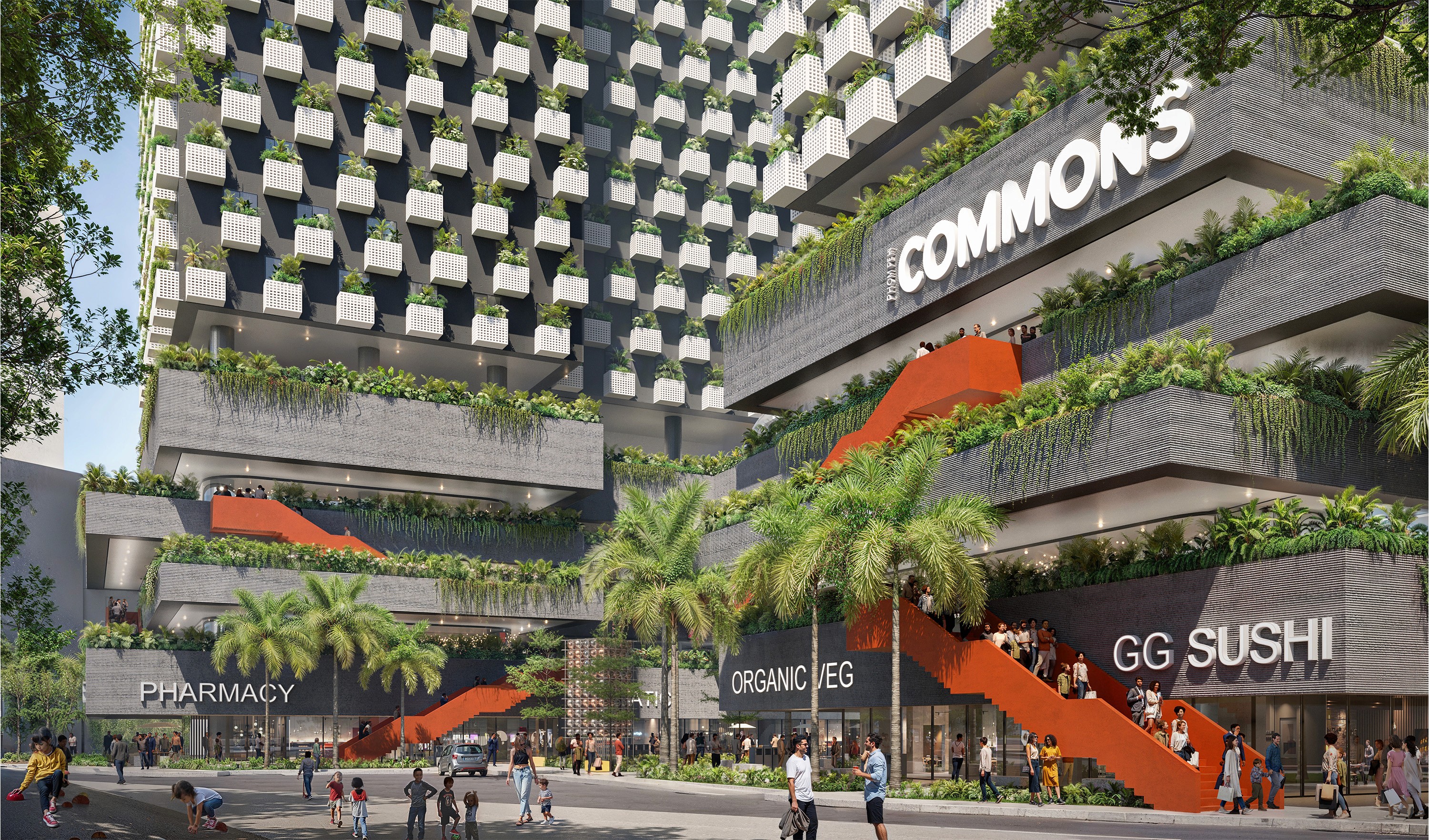
Phnom Penh Commons by The Room Architecture and Design.
Residential buyers increasingly prioritise well-proportioned layouts, predictable service charges and systems that minimise disruptions. Corporate tenants evaluate fit out efficiency, building performance, access and operational reliability before committing. Hospitality partners look for ground floors that trade across the entire day and operational flows that maintain service levels at peak.
Across sectors, the market is rewarding buildings that perform in everyday use rather than those that succeed only at the point of sale.
Standards that people can feel
Standards matter because they shape daily experience. They influence comfort, air quality, acoustics, running costs and maintenance workflows. When the focus is on outcomes that are visible and reliable, the details become critical. These include:
Consistently good indoor air quality supported by filtration, fresh air delivery and monitoring
Filtered and reliable water supply that reduces operational risk
Natural light control through dimmable lighting, shading and daylight sensors
Acoustic comfort that supports both collaboration and focused work
Efficient mechanical and electrical systems that stabilise long term operating costs
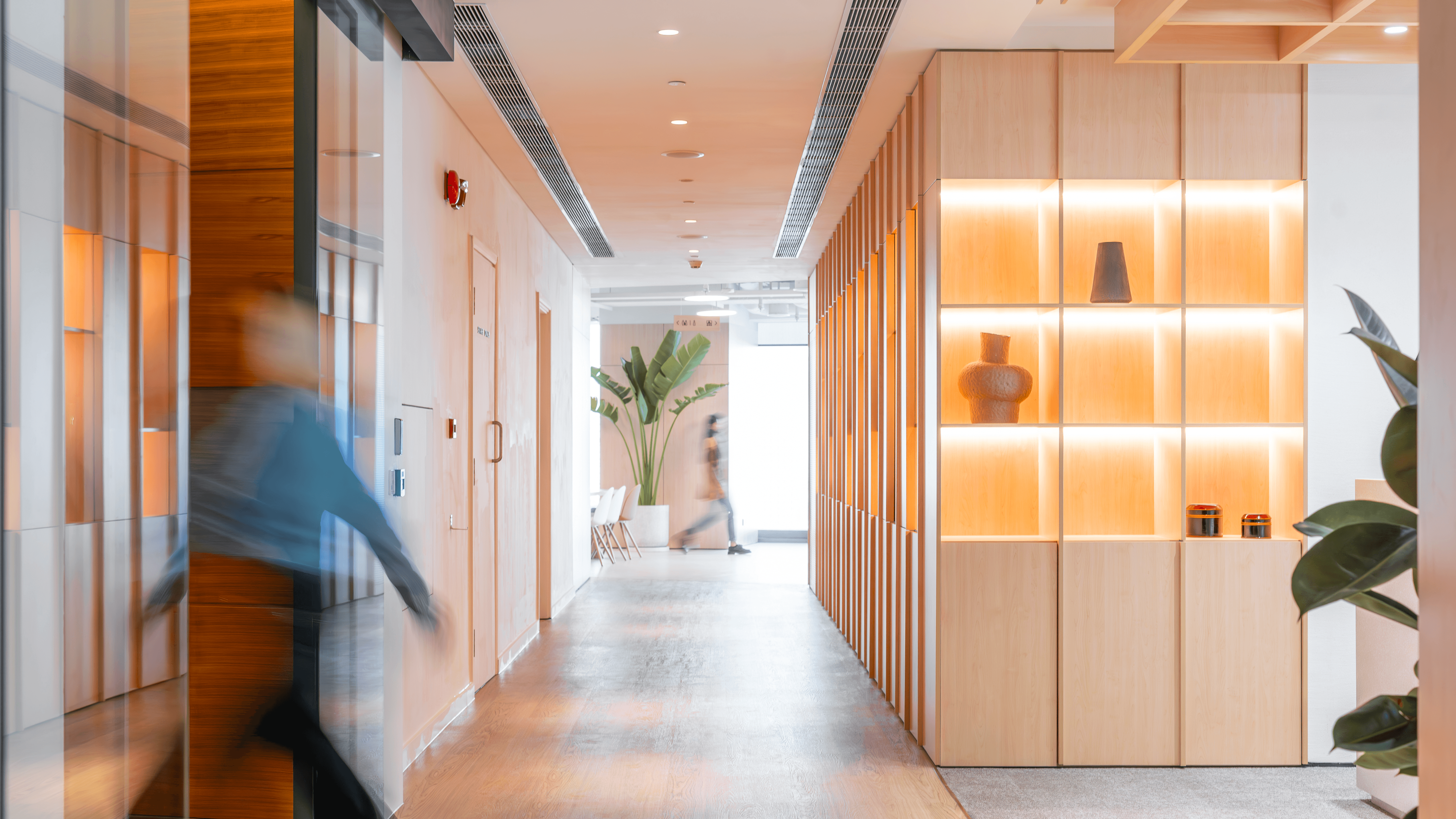
Multilateral Bank Office by The Room Architecture and Design.
These ideas are demonstrated in our Multilateral Bank Office project at Vattanac Capital. The 1,525 sqm workplace is the first interior in Cambodia to achieve LEED Gold. The fit out is organised for adaptability, measurable performance and low operational friction.
At a planning scale, districts that coordinate movement, landscape and infrastructure as connected systems remain relevant longer and protect long term address value. Research from the Urban Land Institute (ULI) illustrates the long-term performance advantages of integrated mixed-use planning in developing cities.
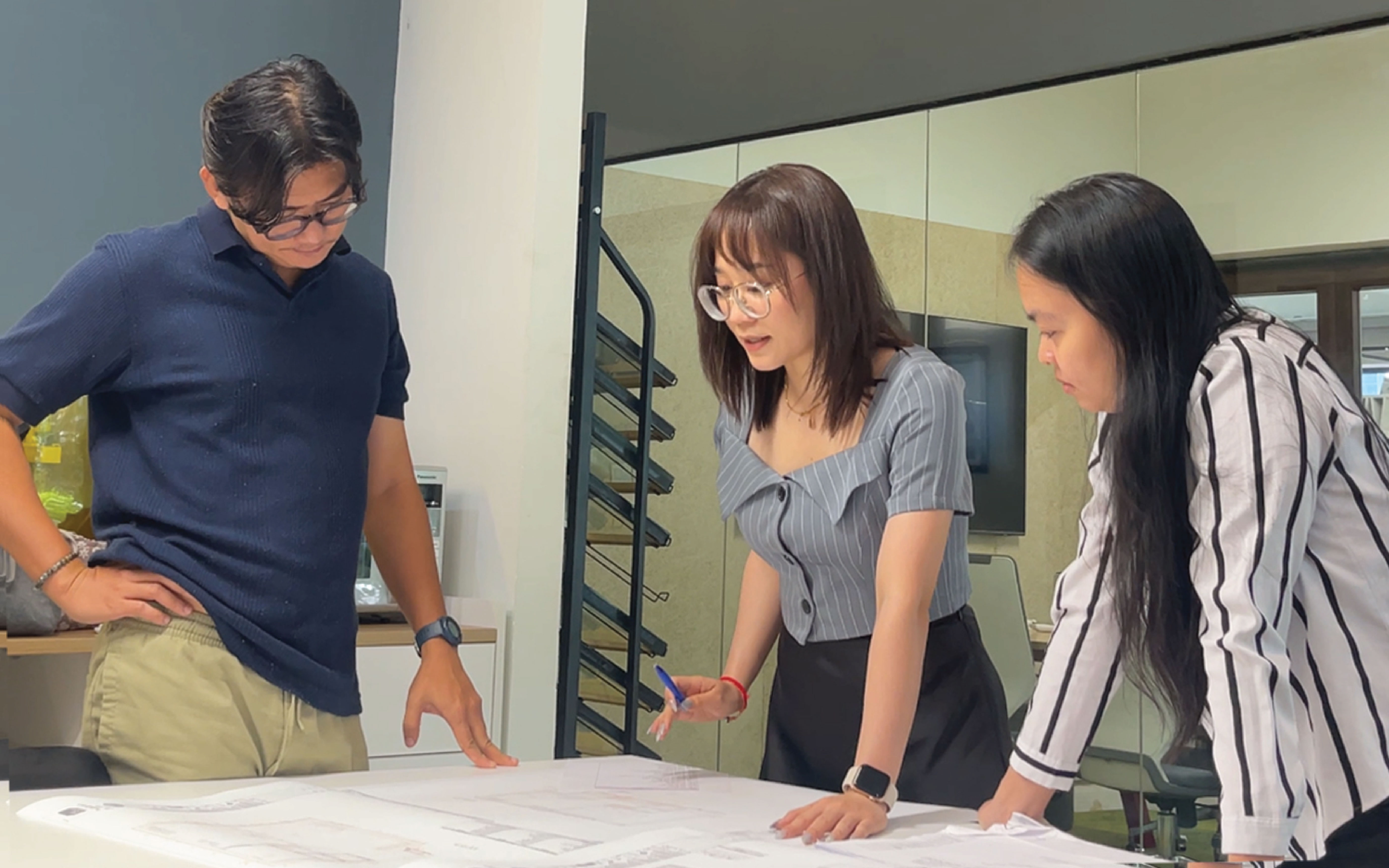
Designers at The Room Architecture and Design reviewing architectural plans.
What this means for developers now
Design has become a core driver of value rather than a final decorative step. Plans that reduce wasted area, standardise where appropriate and simplify building systems create pricing advantages and long-term stability. As lease cycles evolve and user expectations rise, assets that can adapt across different tenancies and uses remain competitive while others fall behind.
This is reinforced by Cambodia’s shift toward longer-term investment patterns, as the introduction of Capital Gains Tax steers buyers away from short-term speculation and toward assets with strong operational fundamentals, professional management and predictable performance.
Success depends on partners who translate commercial goals into design and technical decisions that hold up in both year one and year ten.
Looking for a design partner who can align commercial goals with real world performance? Contact The Room Architecture and Design to discuss how our team supports developers through planning, design and technical execution.
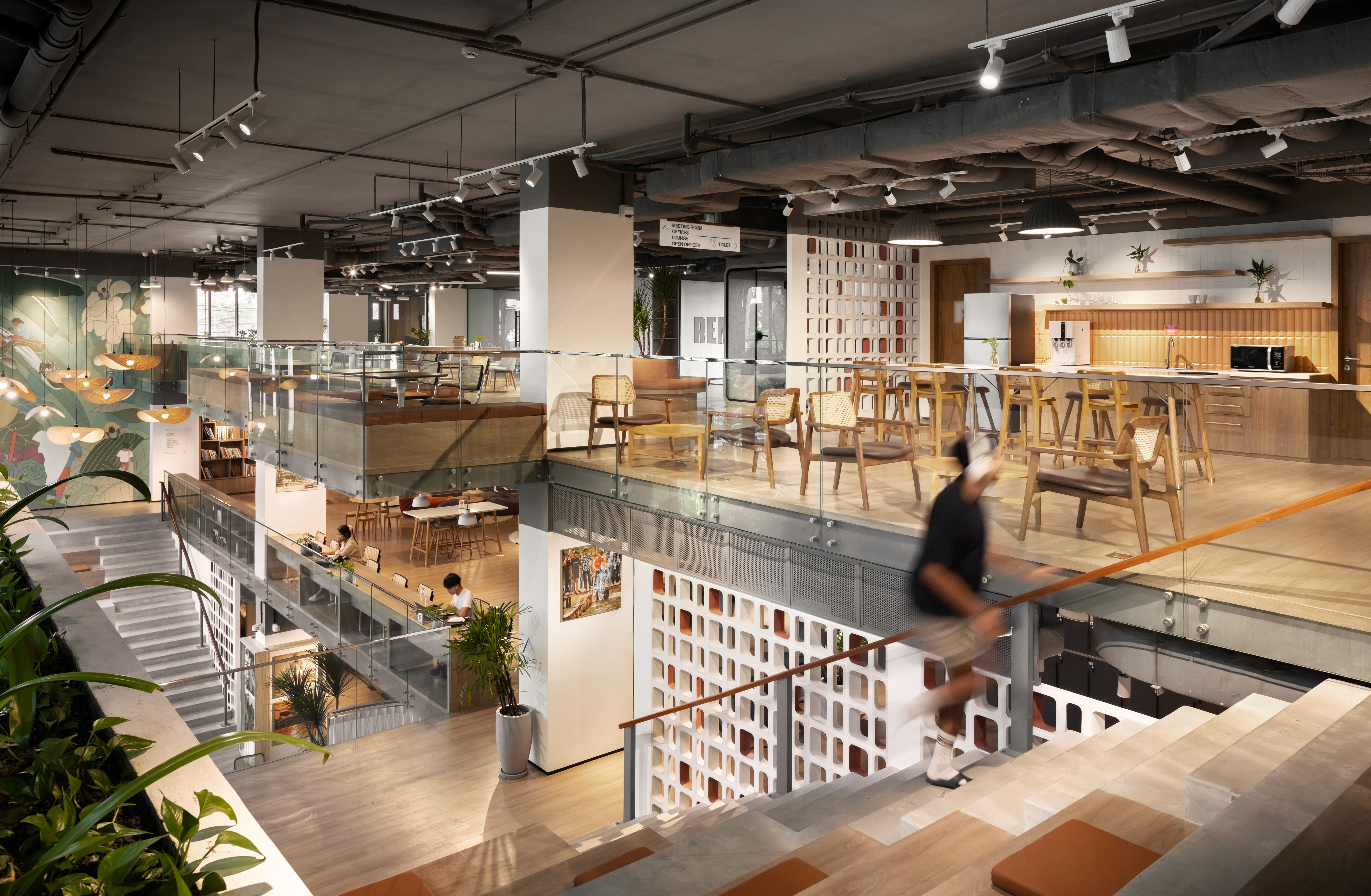
Siem Reap House by The Room Architecture and Design.
Architecture and design as market leadership
Architecture translates intent into spaces that work. A lobby that manages peak flow, a floorplate that adapts without waste and open spaces that become part of daily routines all communicate quality without explanation.
Well-considered design strengthens performance across the lifecycle of an asset by:
Improving ROI through spaces that sell and lease more easily
Lowering operational expenditure through efficient systems and durable materials
Reducing pressure on sales and marketing teams by aligning the product with user needs
Enhancing safety, comfort and usability for occupants
Reducing churn and increasing tenant retention
Minimising the frequency and cost of future refits through adaptable planning
These outcomes reflect trends highlighted in CBRE, which shows that workplace flexibility, environmental performance and user-oriented design influence leasing decisions and long-term tenant stability.
In Cambodia, there is a meaningful opportunity to raise expectations by pairing strong project identity with plans that are efficient to build, straightforward to operate and compelling to use. When brand, user needs and operations align, projects shift from basic commodity to preferred address.
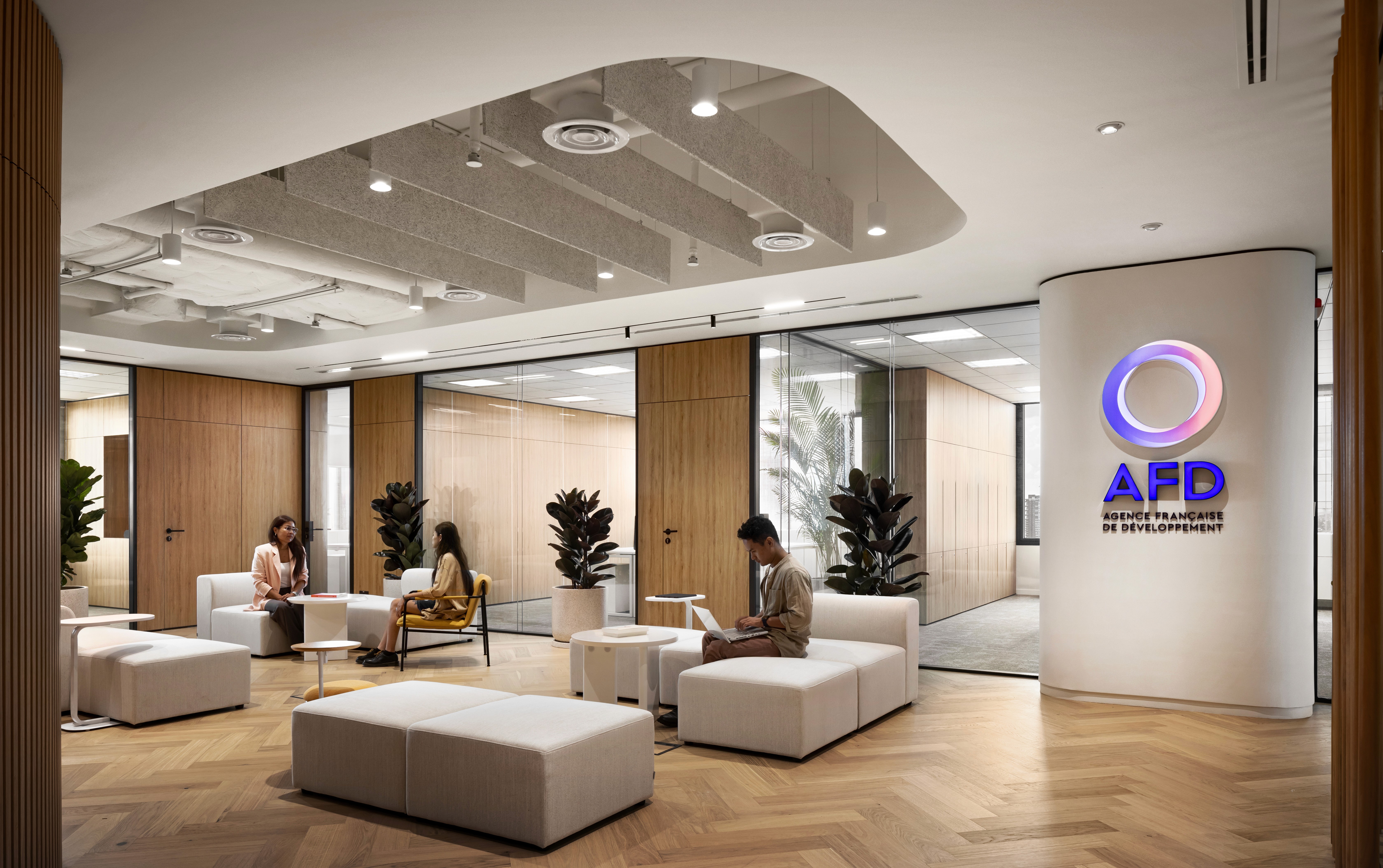
Agence Française de Développement by The Room Architecture and Design.
Competing beyond location
Older stock still trades, but new developments are redefining what the market considers acceptable. The projects that stand out consistently:
Make daily use effortless
Treat amenities as functional components rather than decoration
Apply sustainability strategies that reduce friction and cost
Manage compliance and approvals in ways that protect timeline and reputation
This aligns with patterns documented in ULI Asia Pacific, which highlight that performance in use is becoming a more significant driver of market differentiation than location alone.
Where the market is heading
The next generation of Cambodian developments will be defined by how well they work in everyday life. Key factors include:
Shared and public spaces that attract consistent use
Systems that keep running costs predictable
Floorplates and units that maintain value because they support real patterns of living and working
Flexible spaces that can be reconfigured or repurposed as needs change
More specifically, the strategies that differentiate projects include:
Mixing functions such as residential with managed retail, coworking or learning space to create activity and footfall
Repurposing underused buildings or sites to form mixed use destinations
Introducing community building functions such as childcare, wellness programs, cafes or flexible rooms for events
Creating neighbourhood anchors such as shaded walkways, micro parks, small plazas and transport linkages

Remembrance Park Concept by The Room Architecture and Design.
As investor priorities shift toward longer-term returns, well-managed, high-occupancy, mixed-use projects will continue to attract capital, while assets relying on short-term turnover or speculative demand will face mounting pressure.
Developers who adopt these approaches move from one successfully occupied project to the next. Those who prioritise volume over performance risk carrying the financial and reputational burden of empty towers while preparing the next launch.
For Phnom Penh, Siem Reap and the coast, this is the moment to deliver buildings and places the market can recognise, trust and continue choosing.
Planning your next development or evaluating an existing asset? Connect with us to discuss strategies that enhance value, improve usability and keep projects competitive in Cambodia’s evolving market.
A market judged by how it works, not how it looks
Cambodia’s real estate market expanded rapidly on speed and volume. That phase reshaped skylines and attracted significant capital. The next phase reflects patterns seen across Southeast Asia, where markets that scale quickly often move into periods of oversupply and uneven absorption. Regional examples, including Thailand’s multiyear condominium oversupply cycle noted in reports from JLL, and Knight Frank, show how vacancy pressures eventually influence both policy and investor behavior.
Cambodia is now entering a similar stage of market maturity. The upcoming 20 percent Capital Gains Tax, effective in 2026, reinforces this transition by reducing speculative flipping and encouraging longer-term investment horizons. This shift supports a market where performance, rental demand, and operating quality become more important than short-term momentum.
As Cambodia’s infrastructure improves and investors compare assets across borders, expectations are shifting. Buyers and tenants now look more closely at how a project works day to day and how it holds value across cycles. This creates space for assets planned with a longer horizon, anticipating how people will live, work, shop, learn and move in the next five to ten years instead of responding only to immediate conditions.
Have a project shaping up? Schedule a strategic consultation with us to explore how forward-looking planning can strengthen your development’s long-term performance.
From quantity to quality in daily use
Phnom Penh Commons by The Room Architecture and Design.
Residential buyers increasingly prioritise well-proportioned layouts, predictable service charges and systems that minimise disruptions. Corporate tenants evaluate fit out efficiency, building performance, access and operational reliability before committing. Hospitality partners look for ground floors that trade across the entire day and operational flows that maintain service levels at peak.
Across sectors, the market is rewarding buildings that perform in everyday use rather than those that succeed only at the point of sale.
Standards that people can feel
Standards matter because they shape daily experience. They influence comfort, air quality, acoustics, running costs and maintenance workflows. When the focus is on outcomes that are visible and reliable, the details become critical. These include:
Consistently good indoor air quality supported by filtration, fresh air delivery and monitoring
Filtered and reliable water supply that reduces operational risk
Natural light control through dimmable lighting, shading and daylight sensors
Acoustic comfort that supports both collaboration and focused work
Efficient mechanical and electrical systems that stabilise long term operating costs
Multilateral Bank Office by The Room Architecture and Design.
These ideas are demonstrated in our Multilateral Bank Office project at Vattanac Capital. The 1,525 sqm workplace is the first interior in Cambodia to achieve LEED Gold. The fit out is organised for adaptability, measurable performance and low operational friction.
At a planning scale, districts that coordinate movement, landscape and infrastructure as connected systems remain relevant longer and protect long term address value. Research from the Urban Land Institute (ULI) illustrates the long-term performance advantages of integrated mixed-use planning in developing cities.
Designers at The Room Architecture and Design reviewing architectural plans.
What this means for developers now
Design has become a core driver of value rather than a final decorative step. Plans that reduce wasted area, standardise where appropriate and simplify building systems create pricing advantages and long-term stability. As lease cycles evolve and user expectations rise, assets that can adapt across different tenancies and uses remain competitive while others fall behind.
This is reinforced by Cambodia’s shift toward longer-term investment patterns, as the introduction of Capital Gains Tax steers buyers away from short-term speculation and toward assets with strong operational fundamentals, professional management and predictable performance.
Success depends on partners who translate commercial goals into design and technical decisions that hold up in both year one and year ten.
Looking for a design partner who can align commercial goals with real world performance? Contact The Room Architecture and Design to discuss how our team supports developers through planning, design and technical execution.
Siem Reap House by The Room Architecture and Design.
Architecture and design as market leadership
Architecture translates intent into spaces that work. A lobby that manages peak flow, a floorplate that adapts without waste and open spaces that become part of daily routines all communicate quality without explanation.
Well-considered design strengthens performance across the lifecycle of an asset by:
Improving ROI through spaces that sell and lease more easily
Lowering operational expenditure through efficient systems and durable materials
Reducing pressure on sales and marketing teams by aligning the product with user needs
Enhancing safety, comfort and usability for occupants
Reducing churn and increasing tenant retention
Minimising the frequency and cost of future refits through adaptable planning
These outcomes reflect trends highlighted in CBRE, which shows that workplace flexibility, environmental performance and user-oriented design influence leasing decisions and long-term tenant stability.
In Cambodia, there is a meaningful opportunity to raise expectations by pairing strong project identity with plans that are efficient to build, straightforward to operate and compelling to use. When brand, user needs and operations align, projects shift from basic commodity to preferred address.
Agence Française de Développement by The Room Architecture and Design.
Competing beyond location
Older stock still trades, but new developments are redefining what the market considers acceptable. The projects that stand out consistently:
Make daily use effortless
Treat amenities as functional components rather than decoration
Apply sustainability strategies that reduce friction and cost
Manage compliance and approvals in ways that protect timeline and reputation
This aligns with patterns documented in ULI Asia Pacific, which highlight that performance in use is becoming a more significant driver of market differentiation than location alone.
Where the market is heading
The next generation of Cambodian developments will be defined by how well they work in everyday life. Key factors include:
Shared and public spaces that attract consistent use
Systems that keep running costs predictable
Floorplates and units that maintain value because they support real patterns of living and working
Flexible spaces that can be reconfigured or repurposed as needs change
More specifically, the strategies that differentiate projects include:
Mixing functions such as residential with managed retail, coworking or learning space to create activity and footfall
Repurposing underused buildings or sites to form mixed use destinations
Introducing community building functions such as childcare, wellness programs, cafes or flexible rooms for events
Creating neighbourhood anchors such as shaded walkways, micro parks, small plazas and transport linkages
Remembrance Park Concept by The Room Architecture and Design.
As investor priorities shift toward longer-term returns, well-managed, high-occupancy, mixed-use projects will continue to attract capital, while assets relying on short-term turnover or speculative demand will face mounting pressure.
Developers who adopt these approaches move from one successfully occupied project to the next. Those who prioritise volume over performance risk carrying the financial and reputational burden of empty towers while preparing the next launch.
For Phnom Penh, Siem Reap and the coast, this is the moment to deliver buildings and places the market can recognise, trust and continue choosing.
Planning your next development or evaluating an existing asset? Connect with us to discuss strategies that enhance value, improve usability and keep projects competitive in Cambodia’s evolving market.

