How Can Hotels in Cambodia Define Their Niche and Win the Market?
How Can Hotels in Cambodia Define Their Niche and Win the Market?
How Can Hotels in Cambodia Define Their Niche and Win the Market?
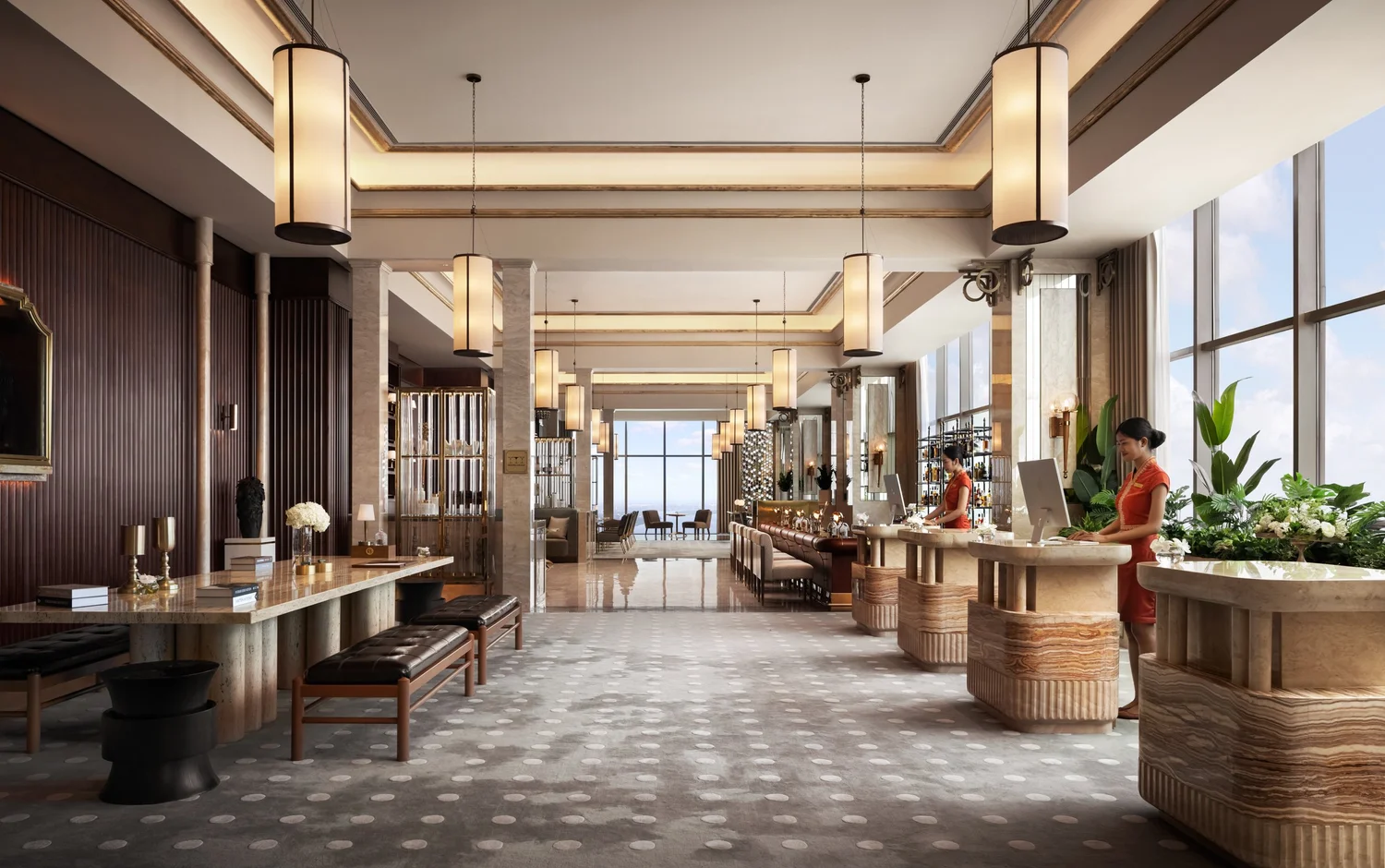
Shangri-La, Phnom Penh. Courtesy of Robert Kleiner.
Cambodia's hotel market is evolving faster than Bangkok did in 2010 or Singapore in 2005. International arrivals jumped dramatically in 2023, with Cambodia welcoming roughly 5.43 million visitors (Ministry of Tourism). International brands like Hyatt, Marriott, and Accor have announced several new properties by 2027. But beyond the headline numbers, the market tells a more nuanced story when we look at performance metrics.
For example, Bill Bensley's Shinta Mani Wild commands $2,100 per night in the Cardamom Mountains, while generic city hotels struggle at $80. This stark contrast shows that strategic positioning executed through design creates exponential value differences.
Ready to position your hotel for success? Schedule a strategic consultation with The Room Architecture and Design to explore how design can differentiate your property in Cambodia’s competitive market.
Why does defining your hotel's niche matter in Cambodia?
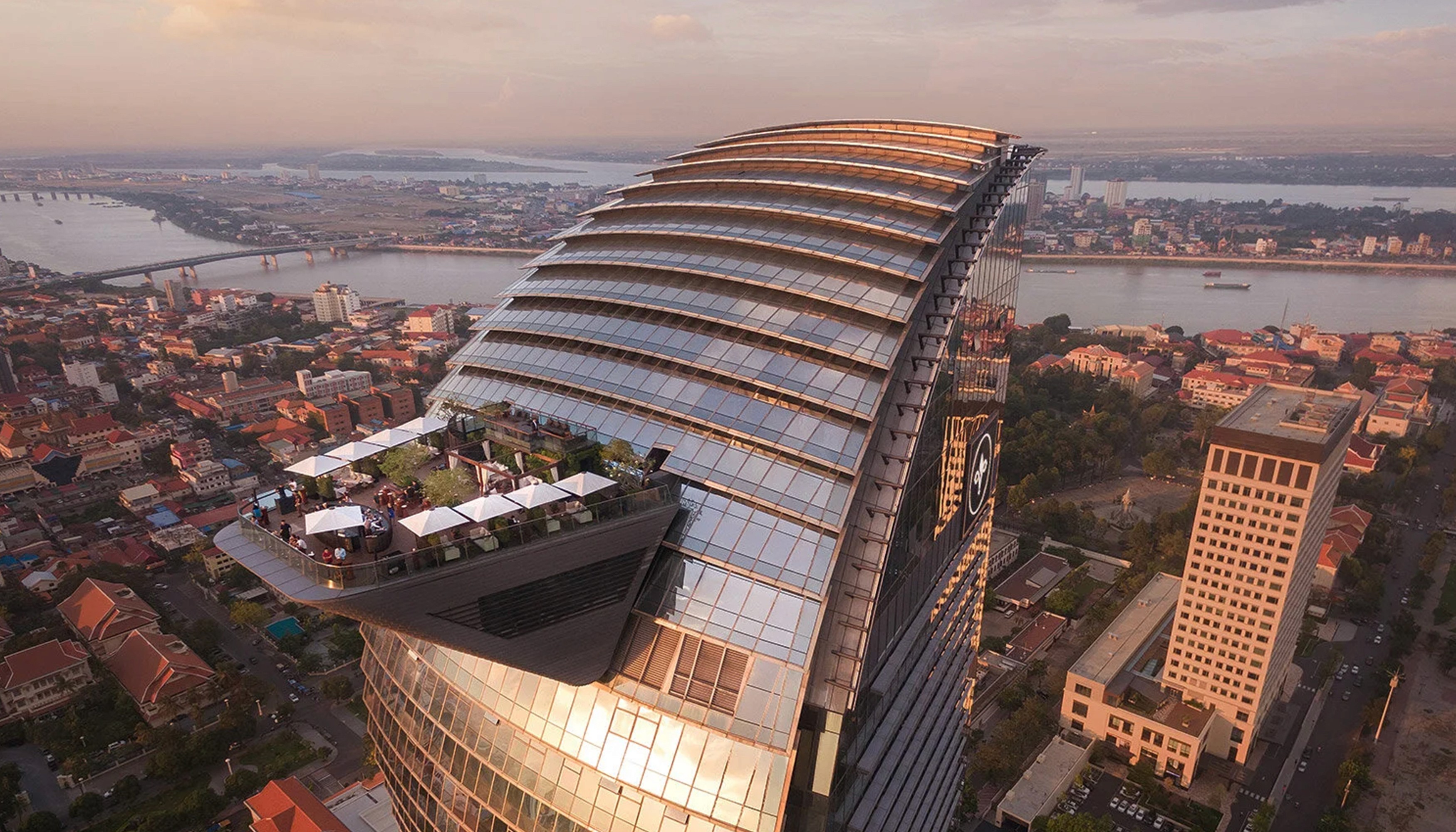
Rosewood, Phnom Penh. Courtesy of Robert Kleiner.
When Adrian Zecha created Aman, he pioneered radical differentiation through distinct "sense of place" and design, enabling Aman to charge rates regularly two to three times above competitors in its markets (Canvas Business Model). Today’s successful Cambodian properties follow this principle. They understand that specificity drives profitability, while generic offerings increasingly compete on price alone.
Key Market Insight: Properties with defined niches achieve significantly higher Revenue Per Available Room (RevPAR), often outperforming comparable hotels, and are better able to maintain rate integrity through low seasons (Asian Hospitality).
The numbers reveal clear patterns that every operator should understand. For instance, Park Hyatt Siem Reap uses Bill Bensley’s art-house approach to maintain an Average Daily Rate (ADR) 40% above competing five-star properties. This is achieved by creating what Bensley calls "theatrical placemaking," where every design element contributes to a cohesive narrative.
Meanwhile, Rosewood Phnom Penh adapts its global "Sense of Place" philosophy to create distinctly Cambodian luxury that meets international expectations. This proves that cultural authenticity and international standards can reinforce each other.
How can design strategy drive ROI in Cambodia's Hotel Market?
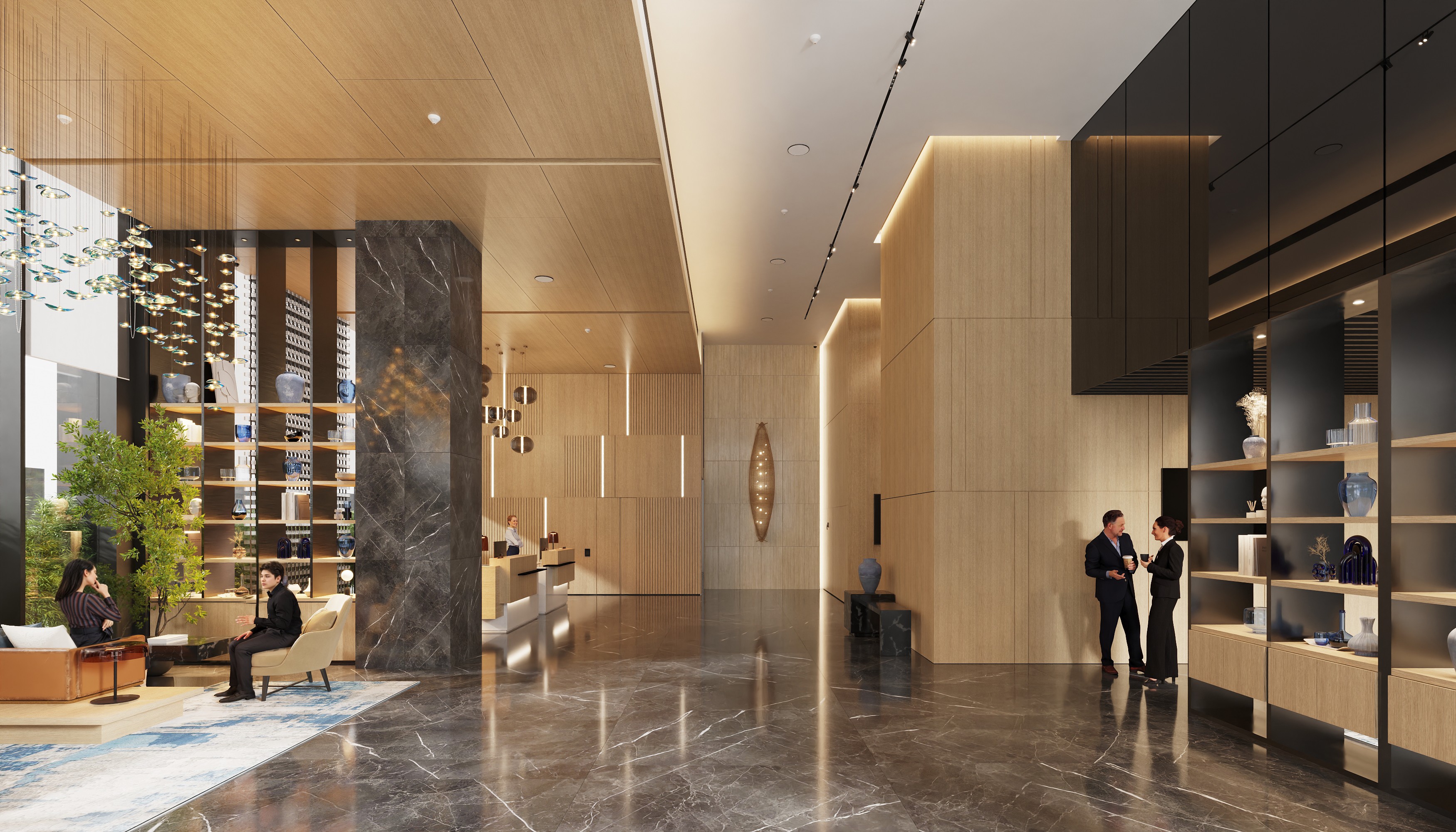
Fairfield by Marriott by The Room Architecture and Design.
At The Room Architecture and Design, our recent work on Fairfield by Marriott shows how international brand standards can be adapted to Cambodia’s market while maintaining operational efficiency. By integrating local design elements within Marriott’s framework, we helped create a property that resonates with both international business travelers and regional guests.
The market has evolved significantly. Growth has brought choice, and choice has raised guest expectations. City breaks, cultural trips, and coastal blends of work and downtime now sit side by side on the same booking screen. This forces properties to communicate their value proposition instantly and clearly.
When design and strategy align from the first moment of guest interaction, brands register in memory and command premium positioning.
What are the design trends driving hotel success in Phnom Penh?
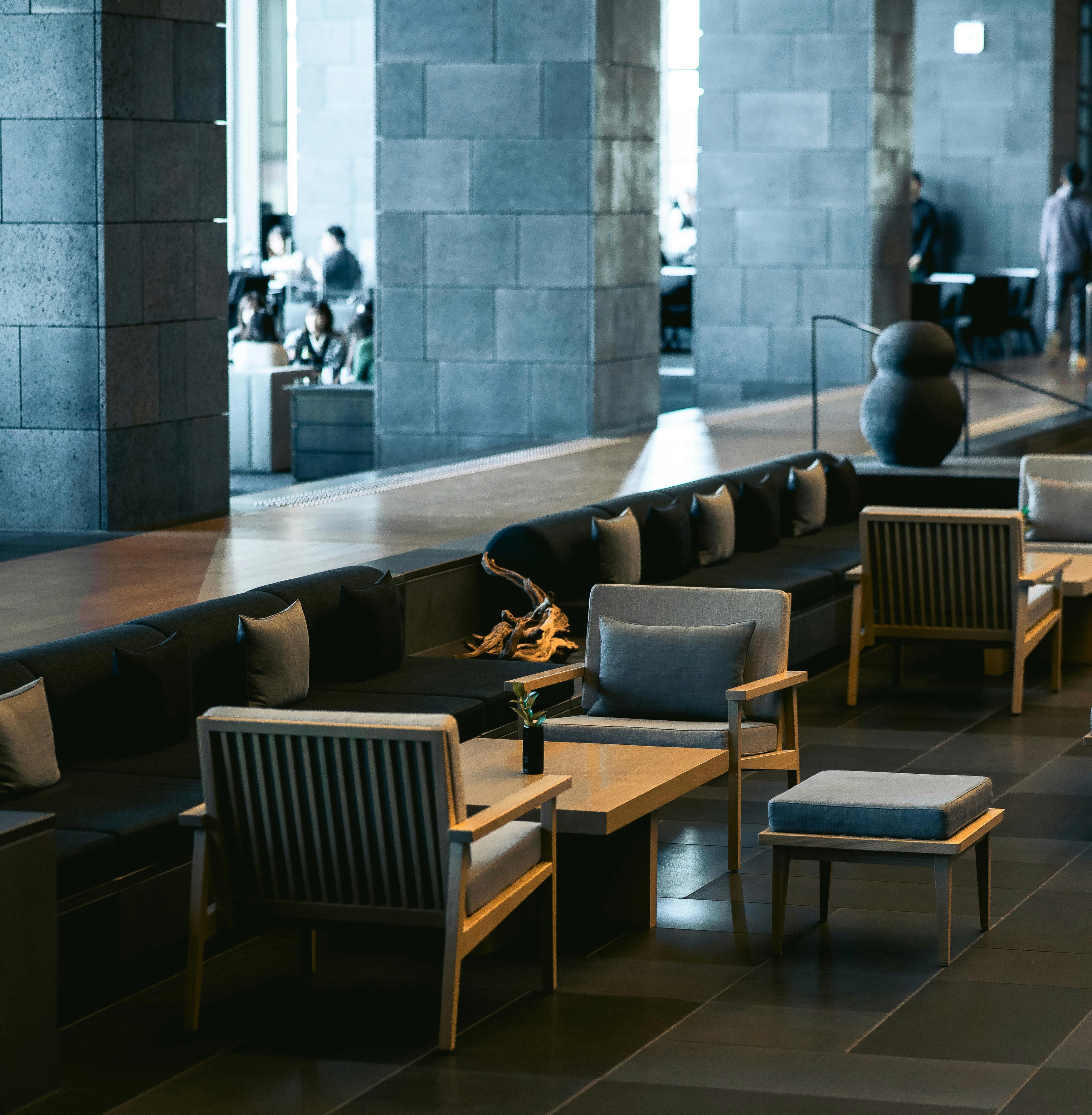
Aman Hotel Tokyo Lounge. Photo by Szymon Shields via Pexels.
Positioning goes beyond taglines or marketing messages. It becomes the way space unfolds through actual use. Kerry Hill’s minimalist approach at Aman properties shows how restraint itself can create luxury, using space and light as primary materials rather than ornament.
By contrast, PUBLIC Hotels demonstrates how maximalist social spaces can drive F&B revenue to 45% of total income, compared to the industry standard of 25% (Hong Kong Polytechnic University). This proves that different strategies can succeed when properly executed.
In Phnom Penh, successful urban hotels create ground floors that transition between hotel lobby, co-working space, and neighborhood café. This design approach captures revenue throughout the day: business meetings at 10 am, lunch crowds at noon, digital nomads in the afternoon, and social dining by evening.
Properties report F&B revenue making up 35 to 40 percent of total income in high-performing urban hotels with flexible, activated public spaces, which is well above the industry standard of around 25 percent (CBRE).
What operational challenges should international operators expect in Cambodia?
While Cambodia offers compelling opportunities, international operators must navigate specific challenges that impact development and operations.
Construction and Quality Control: Cambodia’s construction sector has matured, but maintaining international standards requires careful contractor selection and oversight. Working with experienced local contractors who understand brand requirements can deliver consistent quality. Proper project management with milestone quality audits can reduce construction rework by up to 20 percent and support consistent quality outcomes, as documented in global construction best practices.

An artisan expertly weaving colorful threads on a traditional wooden loom. AI-generated image by Gemini.
Supply Chain Optimization: Import duties and logistics can significantly impact Furniture, Fixtures & Equipment (FF&E) budgets, sometimes driving up costs by 30 percent or more if not properly managed (Beltmann Logistics). Leveraging local artisans and suppliers for hotel-grade furnishings typically delivers 10 to 30 percent savings compared to full import strategies, while providing distinct custom touchpoints.
Operational Training Infrastructure: Finding and training staff to international standards remains a challenge. Properties investing in comprehensive training programs, ideally partnering with hospitality schools like Paul Dubrule’s Ecole d’Hôtellerie et de Tourisme, report staff turnover reductions of over 50 percent in some cases, alongside measurable improvements in guest satisfaction (Eurocham). Designing training facilities into properties turns this challenge into a competitive advantage.
How can cultural integration drive revenue?
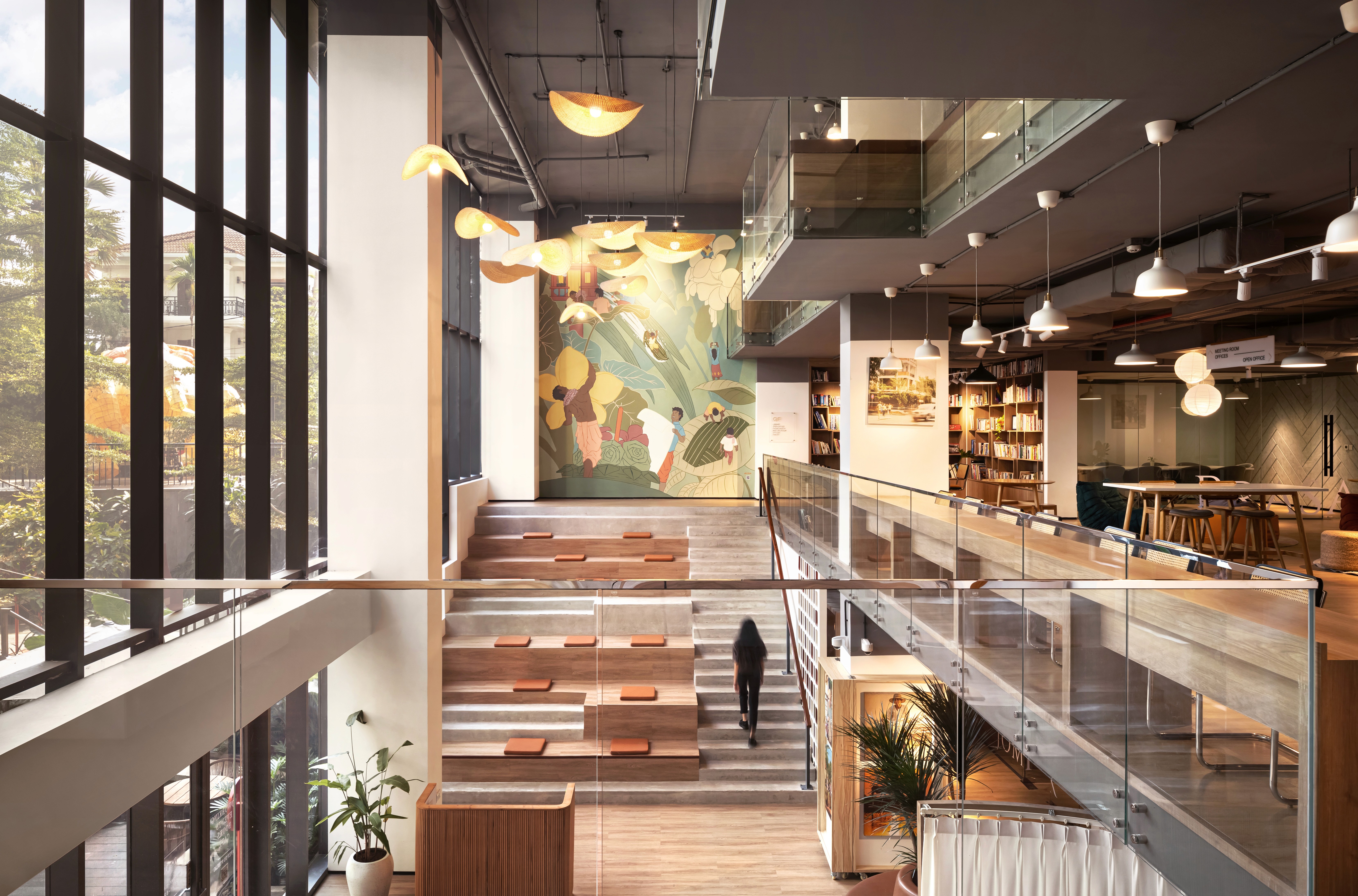
A mural by Khmer-Dutch artist Ryysa, inspired by daily habits of respect and community, celebrates the values that bring people together. Find out more about Siem Reap House here.
Successful properties in Cambodia integrate local identity in ways that serve practical purposes while creating authentic experiences. Traditional craft, pattern, and proportion guide movement through space, hold attention in key moments, and shape gathering spaces that feel both international and distinctly Cambodian.
Even within structured international brand standards, there are opportunities to celebrate Cambodian culture. Custom artwork commissioned from local artists, traditional patterns integrated into design elements, and locally inspired F&B offerings create a sense of place without compromising brand consistency.
Properties collaborating with networks like Artisans Angkor and Satcha create custom fixtures and artwork that tell the story of Khmer craftsmanship. This approach not only delivers unique guest experiences, but studies and industry sourcing guides confirm that partnering with local suppliers can reduce procurement costs by 10 to 30 percent compared to importing all elements, and can support ADR premiums of 20 to 30 percent over market averages.
Hotels achieving this integration often maintain ADR 27 percent above their competitive set (Samskara Projects).
Why are sustainability and technology imperatives for hotels in Cambodia?
Forward-thinking properties recognize that sustainability and technology represent investments delivering measurable returns.
Properties with verified green operations command 12% rate premiums, while those investing in comprehensive Customer Relationship Management (CRM) and personalization systems achieve 40% repeat guest rates versus the industry average of 20% (Amadeus Hospitality).
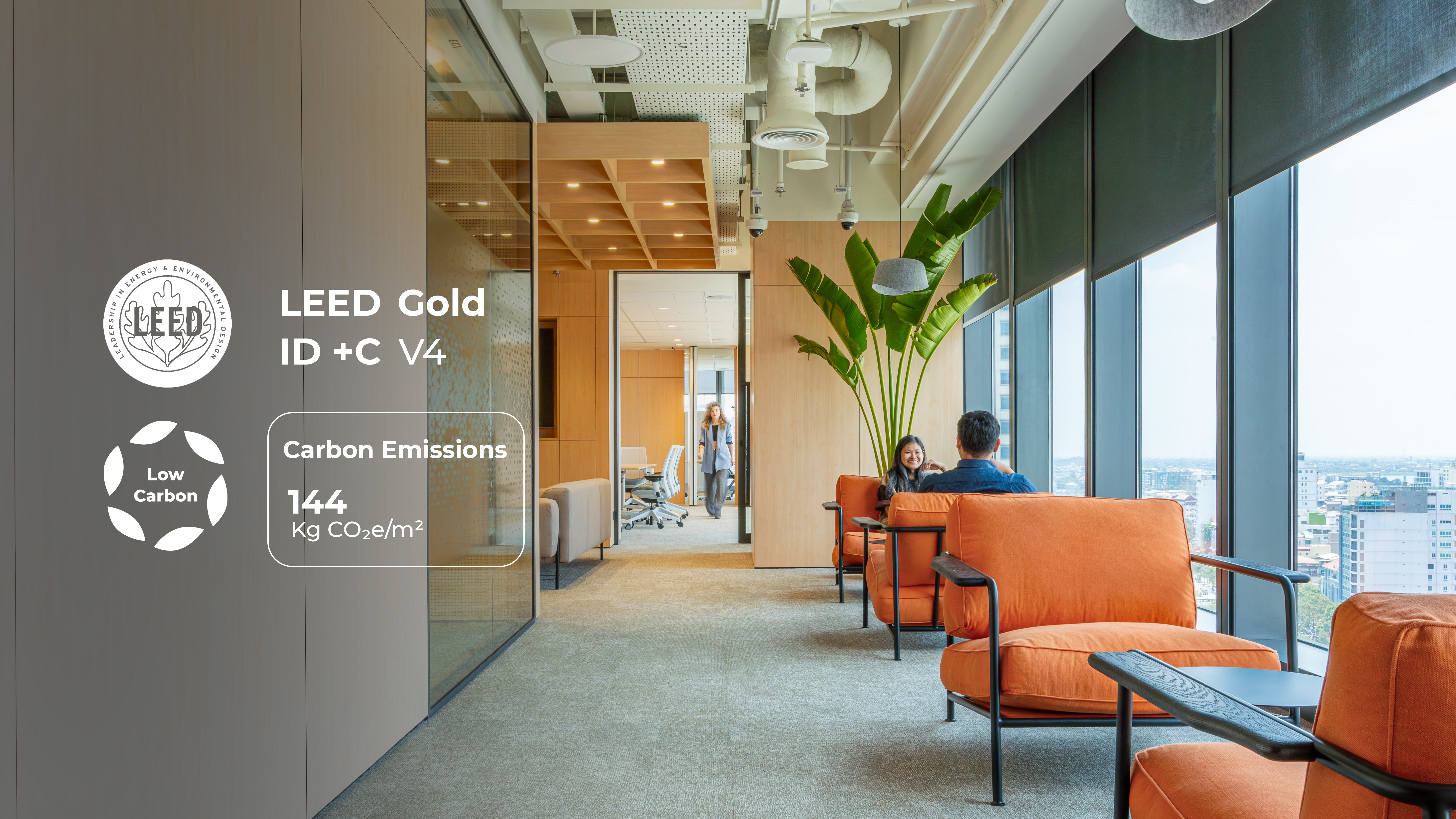
The first LEED Gold Certified Office Interior in Cambodia achieving 36% energy reduction. Find out more here.
Incorporating energy-efficient systems that exceed brand minimum requirements can achieve 30% energy reduction compared to regional benchmarks. Strategic sustainability investments can generate ROI within 3.5 years through operational savings while supporting global brand commitments (Sustainable Hospitality Alliance).
Furthermore, green credentials have become differentiators in corporate Request for Proposals (RFPs), contributing to stronger commercial segment performance.
What are Cambodia’s market dynamics and success stories?

Koh Russey Resort. Courtesy of Robert Kleiner.
Current market leaders demonstrate how international best practices can adapt to local context while maintaining brand integrity.
Rosewood Phnom Penh successfully balances brand standards with local interpretation through strategic artisan partnerships that reduce FF&E costs and create unique touchpoints.
Park Hyatt Siem Reap uses theatrical design to achieve and maintain premium rates through storytelling that permeates every space. Their success shows Cambodia’s market supports luxury pricing when the experience justifies it.
Alila Villas Koh Russey proves international brand standards can adapt to beach resort operations while maintaining local authenticity. Their approach reduces operational costs and lifts guest satisfaction scores.
How can you implement a winning hotel strategy in Cambodia?
Based on our experience with international brands and Southeast Asian markets, winning hotels consistently execute five strategic moves:
Define Your Guest Profile with Precision: Move beyond demographics to behavioral analysis. Serve distinct segments effectively by identifying weekday business and weekend leisure patterns. This dual-purpose approach maximizes asset utilization.
Design the Daily Journey Intentionally: Map guest flow from arrival to departure to identify friction points and revenue opportunities. This increases average length of stay by creating compelling reasons to remain on-property.
Optimize Operations for Your Specific Niche: Work with operators to define custom KPIs aligned with positioning. Establish metrics around brand promises to reinforce positioning.
Integrate Local Culture Strategically: Collaborate with local artisans, suppliers, and cultural consultants to ensure authentic integration. This reduces construction costs by 25% while strengthening market positioning.
Build Flexibility Into Your Model: Design properties with conversion capabilities. For example, meeting rooms that become wellness spaces, and restaurants that transform for events. This flexibility maintains relevance as markets evolve.
Ready to lead Cambodia’s hotel market?
The Cambodia hotel market offers room for many winners but little room for generic offerings. Properties that commit to strategic positioning through design capture premium rates and sustain performance through market cycles.
Our experience with international brands proves success comes when design strategy aligns with market opportunity.
Contact The Room Architecture and Design to schedule a strategic consultation or request a property assessment. Let us help you unlock your hotel’s full potential in Cambodia’s dynamic market.
Cambodia's hotel market is evolving faster than Bangkok did in 2010 or Singapore in 2005. International arrivals jumped dramatically in 2023, with Cambodia welcoming roughly 5.43 million visitors (Ministry of Tourism). International brands like Hyatt, Marriott, and Accor have announced several new properties by 2027. But beyond the headline numbers, the market tells a more nuanced story when we look at performance metrics.
For example, Bill Bensley's Shinta Mani Wild commands $2,100 per night in the Cardamom Mountains, while generic city hotels struggle at $80. This stark contrast shows that strategic positioning executed through design creates exponential value differences.
Ready to position your hotel for success? Schedule a strategic consultation with The Room Architecture and Design to explore how design can differentiate your property in Cambodia’s competitive market.
Why does defining your hotel's niche matter in Cambodia?
Rosewood, Phnom Penh. Courtesy of Robert Kleiner.
When Adrian Zecha created Aman, he pioneered radical differentiation through distinct "sense of place" and design, enabling Aman to charge rates regularly two to three times above competitors in its markets (Canvas Business Model). Today’s successful Cambodian properties follow this principle. They understand that specificity drives profitability, while generic offerings increasingly compete on price alone.
Key Market Insight: Properties with defined niches achieve significantly higher Revenue Per Available Room (RevPAR), often outperforming comparable hotels, and are better able to maintain rate integrity through low seasons (Asian Hospitality).
The numbers reveal clear patterns that every operator should understand. For instance, Park Hyatt Siem Reap uses Bill Bensley’s art-house approach to maintain an Average Daily Rate (ADR) 40% above competing five-star properties. This is achieved by creating what Bensley calls "theatrical placemaking," where every design element contributes to a cohesive narrative.
Meanwhile, Rosewood Phnom Penh adapts its global "Sense of Place" philosophy to create distinctly Cambodian luxury that meets international expectations. This proves that cultural authenticity and international standards can reinforce each other.
How can design strategy drive ROI in Cambodia's Hotel Market?
Fairfield by Marriott by The Room Architecture and Design.
At The Room Architecture and Design, our recent work on Fairfield by Marriott shows how international brand standards can be adapted to Cambodia’s market while maintaining operational efficiency. By integrating local design elements within Marriott’s framework, we helped create a property that resonates with both international business travelers and regional guests.
The market has evolved significantly. Growth has brought choice, and choice has raised guest expectations. City breaks, cultural trips, and coastal blends of work and downtime now sit side by side on the same booking screen. This forces properties to communicate their value proposition instantly and clearly.
When design and strategy align from the first moment of guest interaction, brands register in memory and command premium positioning.
What are the design trends driving hotel success in Phnom Penh?
Aman Hotel Tokyo Lounge. Photo by Szymon Shields via Pexels.
Positioning goes beyond taglines or marketing messages. It becomes the way space unfolds through actual use. Kerry Hill’s minimalist approach at Aman properties shows how restraint itself can create luxury, using space and light as primary materials rather than ornament.
By contrast, PUBLIC Hotels demonstrates how maximalist social spaces can drive F&B revenue to 45% of total income, compared to the industry standard of 25% (Hong Kong Polytechnic University). This proves that different strategies can succeed when properly executed.
In Phnom Penh, successful urban hotels create ground floors that transition between hotel lobby, co-working space, and neighborhood café. This design approach captures revenue throughout the day: business meetings at 10 am, lunch crowds at noon, digital nomads in the afternoon, and social dining by evening.
Properties report F&B revenue making up 35 to 40 percent of total income in high-performing urban hotels with flexible, activated public spaces, which is well above the industry standard of around 25 percent (CBRE).
What operational challenges should international operators expect in Cambodia?
While Cambodia offers compelling opportunities, international operators must navigate specific challenges that impact development and operations.
Construction and Quality Control: Cambodia’s construction sector has matured, but maintaining international standards requires careful contractor selection and oversight. Working with experienced local contractors who understand brand requirements can deliver consistent quality. Proper project management with milestone quality audits can reduce construction rework by up to 20 percent and support consistent quality outcomes, as documented in global construction best practices.
An artisan expertly weaving colorful threads on a traditional wooden loom. AI-generated image by Gemini.
Supply Chain Optimization: Import duties and logistics can significantly impact Furniture, Fixtures & Equipment (FF&E) budgets, sometimes driving up costs by 30 percent or more if not properly managed (Beltmann Logistics). Leveraging local artisans and suppliers for hotel-grade furnishings typically delivers 10 to 30 percent savings compared to full import strategies, while providing distinct custom touchpoints.
Operational Training Infrastructure: Finding and training staff to international standards remains a challenge. Properties investing in comprehensive training programs, ideally partnering with hospitality schools like Paul Dubrule’s Ecole d’Hôtellerie et de Tourisme, report staff turnover reductions of over 50 percent in some cases, alongside measurable improvements in guest satisfaction (Eurocham). Designing training facilities into properties turns this challenge into a competitive advantage.
How can cultural integration drive revenue?
A mural by Khmer-Dutch artist Ryysa, inspired by daily habits of respect and community, celebrates the values that bring people together. Find out more about Siem Reap House here.
Successful properties in Cambodia integrate local identity in ways that serve practical purposes while creating authentic experiences. Traditional craft, pattern, and proportion guide movement through space, hold attention in key moments, and shape gathering spaces that feel both international and distinctly Cambodian.
Even within structured international brand standards, there are opportunities to celebrate Cambodian culture. Custom artwork commissioned from local artists, traditional patterns integrated into design elements, and locally inspired F&B offerings create a sense of place without compromising brand consistency.
Properties collaborating with networks like Artisans Angkor and Satcha create custom fixtures and artwork that tell the story of Khmer craftsmanship. This approach not only delivers unique guest experiences, but studies and industry sourcing guides confirm that partnering with local suppliers can reduce procurement costs by 10 to 30 percent compared to importing all elements, and can support ADR premiums of 20 to 30 percent over market averages.
Hotels achieving this integration often maintain ADR 27 percent above their competitive set (Samskara Projects).
Why are sustainability and technology imperatives for hotels in Cambodia?
Forward-thinking properties recognize that sustainability and technology represent investments delivering measurable returns.
Properties with verified green operations command 12% rate premiums, while those investing in comprehensive Customer Relationship Management (CRM) and personalization systems achieve 40% repeat guest rates versus the industry average of 20% (Amadeus Hospitality).
The first LEED Gold Certified Office Interior in Cambodia achieving 36% energy reduction. Find out more here.
Incorporating energy-efficient systems that exceed brand minimum requirements can achieve 30% energy reduction compared to regional benchmarks. Strategic sustainability investments can generate ROI within 3.5 years through operational savings while supporting global brand commitments (Sustainable Hospitality Alliance).
Furthermore, green credentials have become differentiators in corporate Request for Proposals (RFPs), contributing to stronger commercial segment performance.
What are Cambodia’s market dynamics and success stories?
Koh Russey Resort. Courtesy of Robert Kleiner.
Current market leaders demonstrate how international best practices can adapt to local context while maintaining brand integrity.
Rosewood Phnom Penh successfully balances brand standards with local interpretation through strategic artisan partnerships that reduce FF&E costs and create unique touchpoints.
Park Hyatt Siem Reap uses theatrical design to achieve and maintain premium rates through storytelling that permeates every space. Their success shows Cambodia’s market supports luxury pricing when the experience justifies it.
Alila Villas Koh Russey proves international brand standards can adapt to beach resort operations while maintaining local authenticity. Their approach reduces operational costs and lifts guest satisfaction scores.
How can you implement a winning hotel strategy in Cambodia?
Based on our experience with international brands and Southeast Asian markets, winning hotels consistently execute five strategic moves:
Define Your Guest Profile with Precision: Move beyond demographics to behavioral analysis. Serve distinct segments effectively by identifying weekday business and weekend leisure patterns. This dual-purpose approach maximizes asset utilization.
Design the Daily Journey Intentionally: Map guest flow from arrival to departure to identify friction points and revenue opportunities. This increases average length of stay by creating compelling reasons to remain on-property.
Optimize Operations for Your Specific Niche: Work with operators to define custom KPIs aligned with positioning. Establish metrics around brand promises to reinforce positioning.
Integrate Local Culture Strategically: Collaborate with local artisans, suppliers, and cultural consultants to ensure authentic integration. This reduces construction costs by 25% while strengthening market positioning.
Build Flexibility Into Your Model: Design properties with conversion capabilities. For example, meeting rooms that become wellness spaces, and restaurants that transform for events. This flexibility maintains relevance as markets evolve.
Ready to lead Cambodia’s hotel market?
The Cambodia hotel market offers room for many winners but little room for generic offerings. Properties that commit to strategic positioning through design capture premium rates and sustain performance through market cycles.
Our experience with international brands proves success comes when design strategy aligns with market opportunity.
Contact The Room Architecture and Design to schedule a strategic consultation or request a property assessment. Let us help you unlock your hotel’s full potential in Cambodia’s dynamic market.

